






The National Highways Authority of India (NHAI) is preparing to launch Odisha’s first ‘Bee Corridor’. With the monsoon season approaching in June, the initiative marks a departure from traditional roadside greenery, focusing instead on enhancing local biodiversity and establishing functional green infrastructure. This project, developed by the NHAI Odisha office in collaboration with the Ministry of Road Transport and Highways, aims to conserve honeybees, promote biodiversity, and address the increasing challenges faced by these essential pollinators.
To implement this, NHAI has selected specific highway segments in the Sambalpur, Dhenkanal, and Ganjam (Berhampur) districts. These selected areas align with the typical foraging ranges of wild bees and honeybees, particularly in hilly regions, while maintaining a safe distance from densely populated areas.
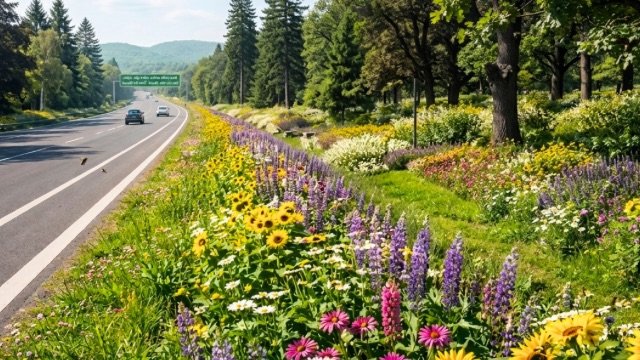
The planting strategy goes beyond simple rows of trees. It employs a multi-layered approach to create a continuous green belt that serves as both habitat and food source for bees throughout the year. Nearly 20,000 flowering and ecologically beneficial plants will be planted, with native species such as Neem, Karanj, Arjun, Kadamba, Jamun, Tamarind, and Kanchan forming the core of the project. Additionally, species from broader national initiatives, including Mahua, Palash, Bottle Brush, and Siris, will be included. The corridor will feature a variety of trees, shrubs, herbs, and grasses, all selected to ensure a continuous supply of nectar and pollen for bees. The plan also intentionally preserves wild elements, allowing flowering weeds to thrive and maintaining deadwood and hollow trunks to foster a naturally supportive ecosystem.
The rollout of this eco-friendly initiative will occur in structured phases, with NHAI soon inviting bids for both planting and long-term maintenance. The goal is to have all three highway segments fully planted and established by March 2027. Environmental experts express optimism about this project, noting that these pollinator-friendly highway plantations create essential micro-habitats, enhance regional ecological connections, and raise community awareness about conservation.
This initiative is part of NHAI’s broader national strategy for greener highways. Next year, they plan to establish at least three more similar pollinator corridors, aiming to plant approximately 4 million trees along national transport routes, with nearly 60% designated for species that support bees and other pollinators. In addition to safeguarding the critical role honeybees play in agriculture and horticulture, NHAI officials emphasize that this significant project merges infrastructure development with genuine environmental stewardship. It aims to reduce pollution, absorb carbon, enhance the aesthetic appeal of highways, and, most importantly, create a sustainable future for both people and pollinators.