






The global medicinal herbs market is experiencing steady growth as consumers increasingly turn to natural health solutions, preventive wellness practices, and plant-based therapeutics across various sectors including healthcare, nutraceuticals, cosmetics, and functional foods.
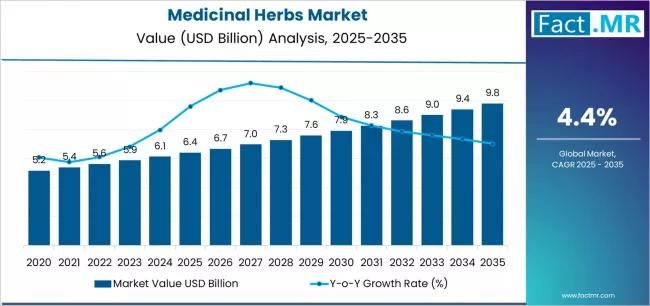
According to Fact.MR, the medicinal herbs market is valued at USD 6.4 billion in 2025 and is expected to reach USD 9.8 billion by 2035, marking an absolute increase of USD 3.4 billion and a compound annual growth rate (CAGR) of 4.4% during this period.
Market Overview
- Market Value (2025): USD 6.4 billion
- Projected Market Value (2035): USD 9.8 billion
- Forecast CAGR (2025-2035): 4.4%
- Leading Product Segment: Whole dried herbs
- Largest Application Segment: Nutraceuticals
- Key Growth Regions: Asia-Pacific, North America, Europe
Medicinal herbs are becoming increasingly central to the convergence of traditional healing systems, modern wellness trends, functional nutrition, and integrative healthcare. The demand is rising as consumers seek alternatives to synthetic pharmaceuticals and prioritize holistic wellness, immune support, natural remedies, and sustainable healthcare solutions.
Key Herbs Driving Demand
Some of the key herbs contributing to the global demand include:
- Ashwagandha
- Turmeric
- Ginseng
- Echinacea
- Moringa
- Garlic
- Ginkgo biloba
- Tulsi (holy basil)
The market is witnessing a shift from traditional herbal consumption to standardized extracts and evidence-based botanical formulations, alongside personalized herbal nutrition systems. The integration of Ayurveda, Traditional Chinese Medicine (TCM), and herbal nutraceuticals into modern preventive healthcare is enhancing global acceptance.
Growth Drivers
- Rising Consumer Preference for Natural Health Solutions: There is a noticeable shift from synthetic pharmaceuticals to plant-based therapies, with consumers viewing medicinal herbs as safer alternatives with fewer side effects.
- Expansion of Preventive Healthcare and Wellness Culture: The trend towards preventive healthcare has accelerated, particularly after the global pandemic, increasing the use of medicinal herbs for immunity support and overall wellness.
- Integration of Traditional Medicine with Modern Healthcare: Traditional medicine systems are gaining recognition, with healthcare providers incorporating scientifically validated herbal therapies into various treatment systems.
- Growth of Nutraceuticals and Functional Foods: Medicinal herbs are becoming key ingredients in dietary supplements and functional foods, with the nutraceuticals segment expected to hold a significant market share.
- Rising Demand in Cosmetics and Personal Care: The use of medicinal herbs in skincare and haircare products is increasing, driven by consumer demand for natural and chemical-free solutions.
Market Challenges
The medicinal herbs market faces challenges such as variability in plant composition, inconsistent potency, contamination risks, and regulatory complexities across different countries. Additionally, sustainability concerns regarding wild harvesting and agricultural practices pose long-term risks.
Emerging Opportunities
Opportunities include increased clinical research validating medicinal herbs, the rise of personalized herbal nutrition through AI-driven platforms, and the expansion of Ayurvedic and traditional medicine ecosystems. Consumers are also showing a preference for organic and sustainably sourced herbs.
Regional Analysis
- Asia-Pacific: Dominates the market due to traditional medicine systems and a large cultivation base.
- North America: Shows strong demand for nutraceuticals and preventive healthcare products.