





New Delhi: Various regions in India are experiencing highly contrasting weather, with heavy rainfall, thunderstorms, hailstorms, and an escalating heatwave impacting different areas simultaneously, according to the India Meteorological Department (IMD).
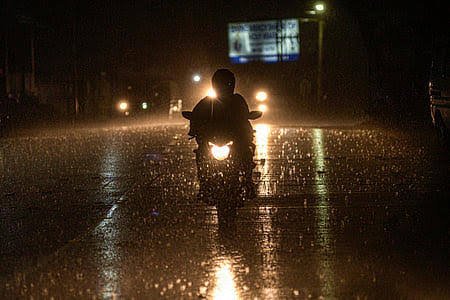
The IMD reported that very heavy rainfall (12-20 cm) was recorded in isolated areas of Assam, while Nagaland experienced heavy rainfall between 7-11 cm. Thunderstorms, accompanied by squally winds of 50-80 kmph, affected Marathwada, Odisha, Madhya Maharashtra, Chhattisgarh, Arunachal Pradesh, and Assam & Meghalaya. Gusty winds of 30-50 kmph were also noted across various parts of Northeast, East, North, Central, West, and South India, with Marathwada recording wind speeds as high as 83 kmph.
Isolated hailstorms were reported in Madhya Pradesh, Maharashtra, and Telangana.
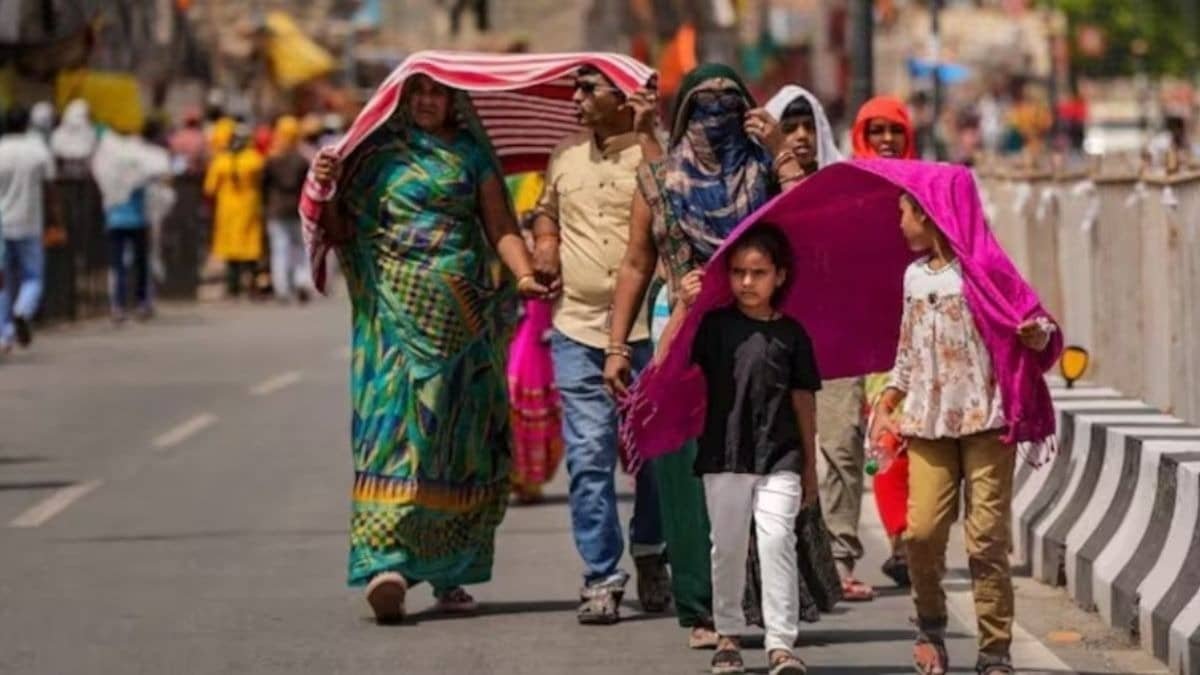
Additionally, a new heatwave spell has intensified, starting in Haryana and extending to Delhi, Uttar Pradesh, Uttarakhand, and East Madhya Pradesh. Maximum temperatures ranged from 40°C to 45°C across Vidarbha, Marathwada, Madhya Pradesh, Chhattisgarh, Telangana, and Uttar Pradesh, with Wardha and Akola in Maharashtra recording the highest temperature at 45°C.
The IMD noted that day temperatures are significantly above normal in Arunachal Pradesh, Assam, and parts of central and northern India, while most other areas are near normal. Minimum temperatures ranged from 13°C to 26°C, with Gurdaspur (Punjab) recording the lowest at 16.5°C in the plains.
On the weather systems front, a Western Disturbance persists as an upper air cyclonic circulation over Jammu & Kashmir, with additional systems over southwest Rajasthan and northeast Assam. Troughs extend from Telangana to Comorin and east Bihar to southwest Madhya Pradesh. Another Western Disturbance is expected to impact the Western Himalayan region from April 23.
Due to these systems, Northwest India is likely to experience scattered rainfall and snowfall over Jammu & Kashmir, Ladakh, and Himachal Pradesh between April 24-26.
In Northeast India, widespread rainfall is anticipated to continue, with heavy to very heavy rainfall expected over Arunachal Pradesh, Assam, and Meghalaya between April 20-22, and again later in the month.
East India, including Odisha, Jharkhand, Bihar, and West Bengal, is forecasted to experience thunderstorms, gusty winds, and occasional thundersqualls. Central India may also see thunderstorms and hailstorms over Madhya Pradesh, Chhattisgarh, and Vidarbha.
Meanwhile, South and West India, including Maharashtra, Telangana, Karnataka, Tamil Nadu, Andhra Pradesh, and Kerala, are likely to experience scattered rainfall with thunderstorms, along with hailstorm activity in certain areas.
Heatwave conditions are expected in isolated pockets of Haryana, Delhi, Punjab, Rajasthan, Madhya Pradesh, Vidarbha, Chhattisgarh, Uttar Pradesh, Jharkhand, Odisha, and Gangetic West Bengal between April 20-25.
Hot and humid conditions will persist across coastal and eastern regions, including Tamil Nadu, Kerala, Andhra Pradesh, and Gangetic West Bengal, while warm night conditions are anticipated in several central and eastern states.
Delhi is expected to remain under heatwave conditions from April 20-23, with temperatures ranging from 41°C to 44°C. Authorities have issued warnings about moderate health risks and advised the public to avoid heat exposure, stay hydrated, and wear protective clothing while outdoors.
Officials have cautioned that thunderstorms and hailstorms may cause damage to crops, trees, power lines, and weak structures, particularly in Bihar and Odisha, which are at risk of thundersqualls. Heavy rainfall in Northeast India may also lead to flooding, landslides, traffic disruptions, and crop damage.
Residents are urged to stay indoors during severe weather conditions, avoid taking shelter under trees, and adhere to safety advisories.
Farmers in affected areas have been advised to protect crops with hail nets, ensure proper drainage, harvest mature crops early, and adopt irrigation and mulching practices to mitigate heat stress.