




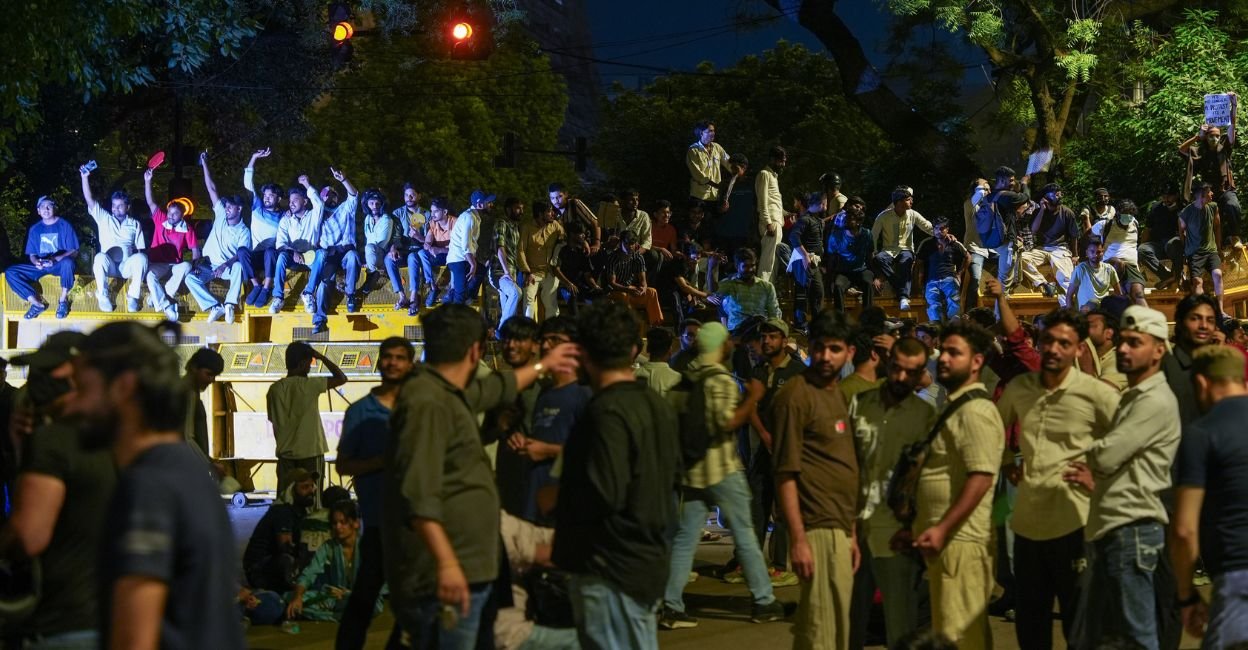
Over the past two weeks, a prominent emotion among many adults and parents observing the protests in New Delhi has been a mix of suspended disbelief and respect. Those once derided as ‘screenagers’ have emerged as organized, compassionate individuals advocating for honor and justice. Parents, initially dismissive and concerned about excessive screen time, witnessed a narrative unfolding on their screens that defied their expectations. The disrupted sleep schedules of these young protesters transformed into late-night vigils filled with music and camaraderie.
History is replete with accounts of youth playing vital roles in India’s freedom struggle. The Vanar Sena, or Monkey Brigade, served as messengers and organized nationalist songs during the movement. Nandini Satpathy, who later became the Chief Minister of Odisha, was just eight years old when she tore down the Union Jack and faced repercussions. Khudiram Bose was only 17 when he was executed by the British. Many prominent leaders, including JP Narayan and Atal Bihari Vajpayee, began their journeys as student activists. Similarly, in the West, young people significantly contributed to war efforts during both World Wars through organizations like Scouts and Guides. I personally recall being 17 during the tragic police shooting in Koothuparamba, Kerala, where five protesting students lost their lives.
With the rise of the internet, concerns grew regarding the youth’s dwindling attention spans and isolation from real-world interactions. Parents lamented the decline in outdoor play and family discussions, often advocating for bans on mobile phones to combat perceived addictions to digital content. The older generation, skeptical of digital natives, found the recent protests at Jantar Mantar to be an unexpected twist, as the location itself symbolizes an instrument for measuring and predicting events, yet no one could foresee the outcome.
Citizen journalists frequently commented on the blend of humor and seriousness within the protest movement. Many shared their experiences of attending while facing academic setbacks, turning ‘Protest Date’ into a trend, and even participating in games like badminton across barricades. Some attendees donned costumes, including Spiderman and a dinosaur, while a white-clad figure of Gandhi appeared to offer a moral boost. The event showcased the fostering of dialogue across generations, as many young protesters brought their parents along, creating opportunities for meaningful conversations.
Despite initial doubts about the protests’ longevity, which were prevalent among older adults who had long dismissed the younger generation, the movement persisted for over a month. Concerns about potential violence, reminiscent of youth movements in neighboring countries, were mitigated by scenes of students caring for injured police officers and volunteers cleaning up the area. Strangers provided food and support, with many recalling their own student experiences during the JP movement and the Emergency.
As the protests continued, older generations began reflecting on their role in the current state of affairs, expressing regret over their previous skepticism toward the youth. Many arrived in their cars, taking photos with the young activists, and reevaluating their own views on power and politics. This scenario echoed a classic parent-child narrative, where communication gaps were bridged and mutual understanding flourished.
While older participants may not have grasped contemporary cultural references, such as those from GTA 6 or popular music, they still engaged with symbols of India’s history. The diverse music selection included Bollywood hits, creating a blend of local and global influences. Posters featured bold expressions, challenging the notion of India as a ‘traditional’ society. A 55-year-old colleague even asked about modern dating terms, illustrating the widening generational divide.
The ability of digital natives to organize quickly has been evident in various contexts, including disaster relief efforts in Kerala and Tamil Nadu. This protest represents one of the first major mobilizations of this generation in India, and its implications for cultural and political engagement will be profound. Moving forward, it may be essential to rethink educational approaches and workplace structures to accommodate their needs. The generational shift in perception, reminiscent of a Bollywood film’s heartwarming conclusion, has led to greater understanding and appreciation for the youth.