




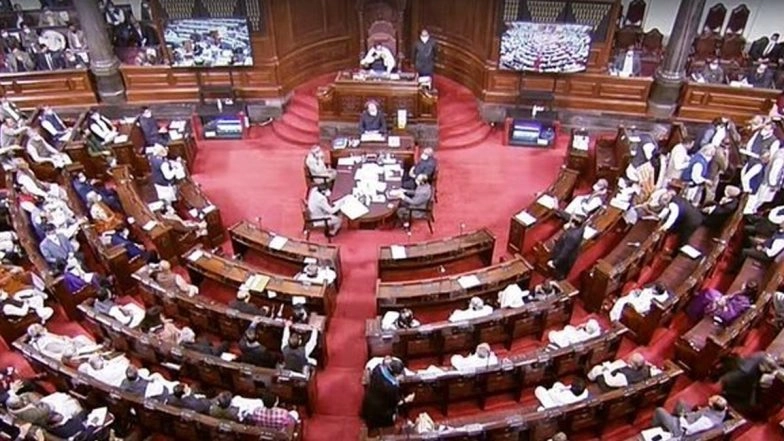
On March 16, 2026, several states across India completed a new round of biennial elections for the Rajya Sabha, filling 37 seats that will become vacant in April. The National Democratic Alliance (NDA) achieved significant victories in Bihar and Odisha, highlighting the unique and indirect nature of the “Council of States.” Unlike the high-profile Lok Sabha general elections, where millions of citizens vote at polling booths, Rajya Sabha elections occur behind closed doors in state assemblies, guided by a complex mathematical formula and an “open ballot” system.
The Rajya Sabha, or Upper House, acts as a permanent fixture in India’s parliamentary democracy, ensuring that state voices remain constant despite changes in the government. Members of the Rajya Sabha are elected indirectly; instead of the general public, the voters are the elected members of the State Legislative Assemblies (MLAs). This process employs a system known as Proportional Representation through the Single Transferable Vote (STV).
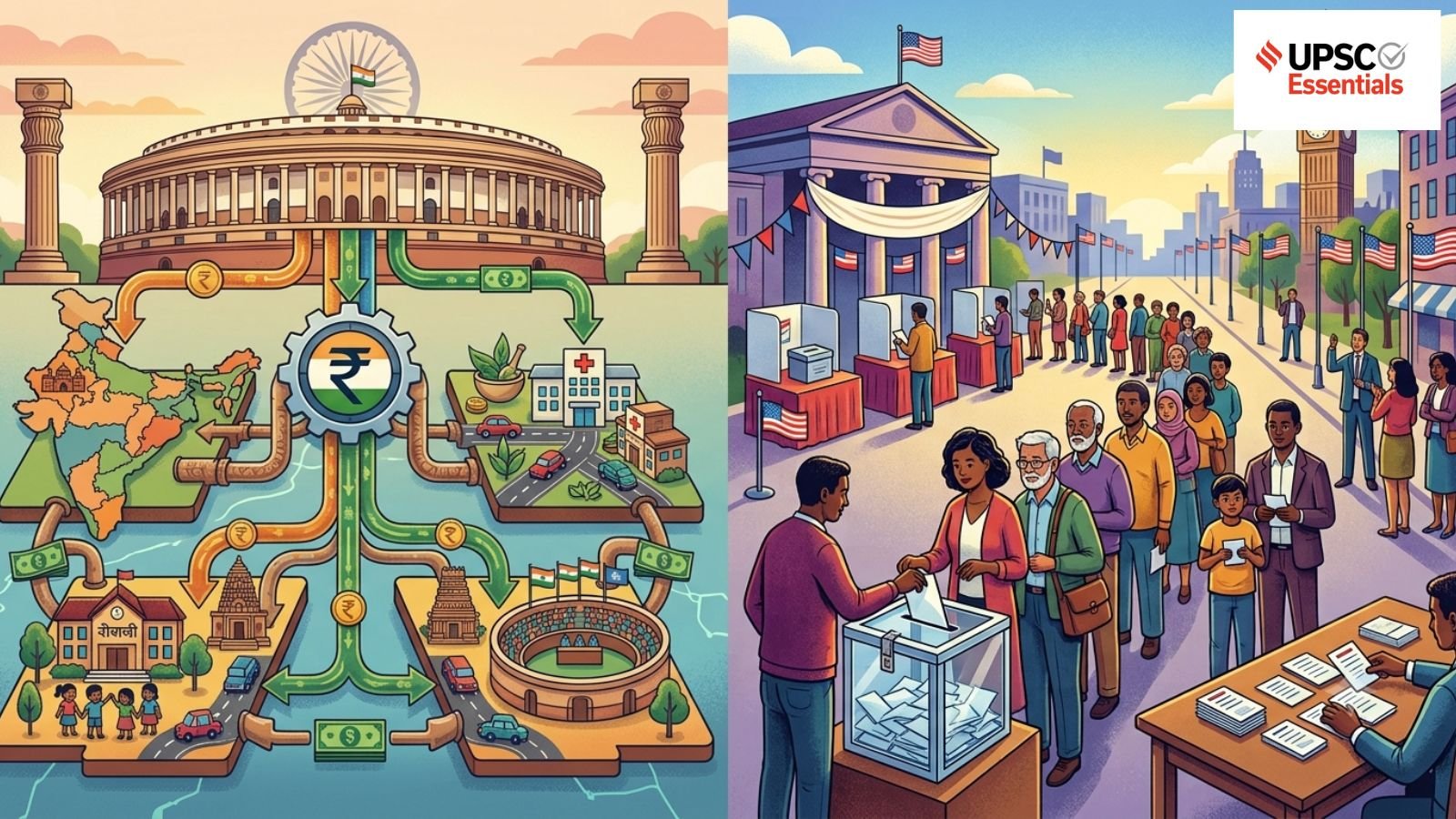
While both houses are part of Parliament, their structures and election cycles differ significantly:
- Unlike the secret ballot used in general elections, Rajya Sabha polls utilize an “Open Ballot” system. Every MLA from a political party must display their marked ballot paper to their party’s authorized agent before placing it in the box. If an MLA fails to show their ballot or shows it to the incorrect person, their vote becomes invalid. This rule aims to prevent “cross-voting” and corruption, although independent MLAs are exempt and can keep their votes confidential.
- The Rajya Sabha has a total authorized strength of 245 members. Of these, 233 are elected from the states and Union Territories, while the remaining 12 members are nominated by the President of India. These nominees are selected for their expertise in fields such as art, literature, science, and social service, allowing distinguished professionals to serve in the legislature without the demands of a political campaign.
The 2026 elections are particularly notable as they reflect recent changes in state assembly compositions. In the results announced on March 16, 2026, the BJP-led NDA broadened its influence, while opposition parties like the BJD in Odisha encountered difficulties due to internal cross-voting. These biennial changes are vital, as the Rajya Sabha holds equal legislative power to the Lok Sabha in nearly all matters, with the exception of Money Bills.