



Radisson Hotel Group is setting its sights on establishing 500 hotels in India by 2030, emphasizing growth in emerging urban areas and smaller towns. This strategy includes a focus on hotel conversions and destinations popular with religious tourists as primary avenues for expansion. The company anticipates a quicker transformation of its hotel pipeline into operational properties within the next two years, bolstered by strong domestic demand which shields the Indian hospitality industry from global challenges.
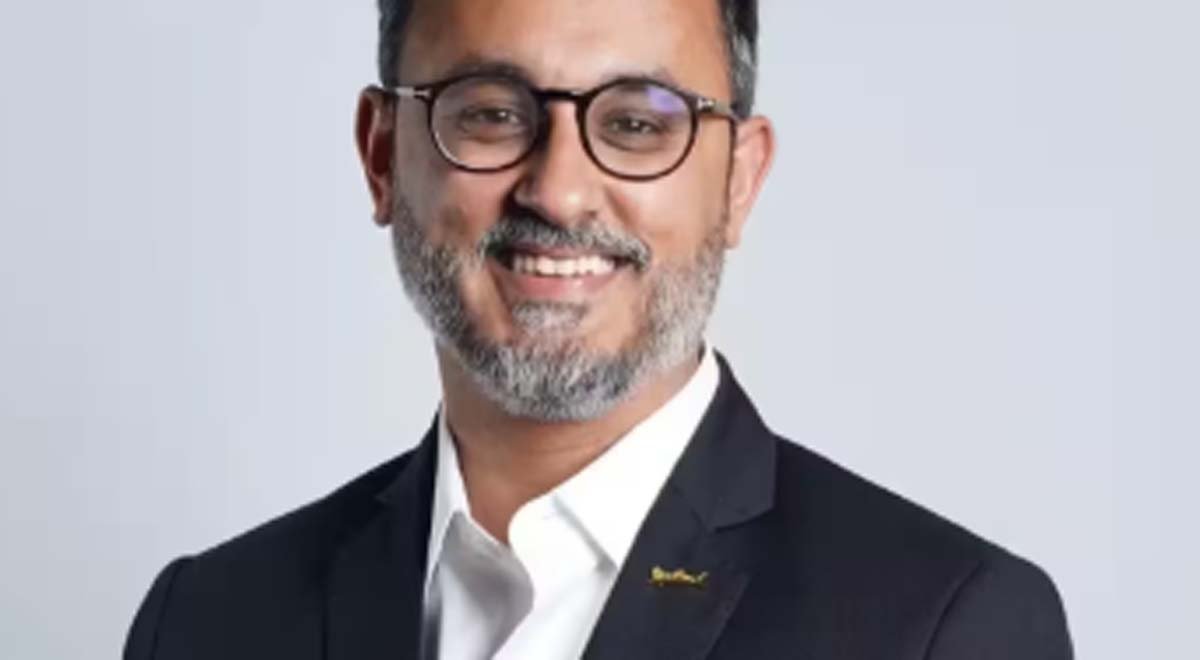
In an interview, Nikhil Sharma, Managing Director & COO for South Asia at Radisson, highlighted India’s significance as a key growth market for the hotel group. He mentioned that the company’s plan is to deepen its presence in Tier II, III, and IV markets along with leisure and religious tourism spots.
Sharma stated, “India has evolved from being an important market to becoming one of Radisson Hotel Group’s strategic growth engines globally,” emphasizing the company’s commitment to expanding its footprint beyond major metropolitan areas.
In the first half of 2026, Radisson signed contracts for 18 new hotels and opened four, increasing its operational portfolio to 142 properties across 86 cities while maintaining a development pipeline of 98 hotels. Sharma outlined three key goals for the next two years: accelerating the conversion of existing hotels, expanding into high-growth markets, and diversifying into business, leisure, and religious tourism destinations.
Sharma pointed out that Radisson is moving beyond traditional gateway cities, focusing on a variety of commercial centers, industrial hubs, and spiritual sites due to the improved infrastructure and rising domestic travel trends. He noted that over half of Radisson’s Indian portfolio is concentrated in Tier II and III markets, positioning the company for differentiated growth as demand shifts from major cities like Delhi and Mumbai.
Radisson’s strategy will continue to be asset-light, favoring management contracts and increasing the importance of hotel conversions to expedite market entry. Greenfield developments will also proceed in areas where branded hotel offerings are still developing, each evaluated based on long-term demand and owner capabilities.
Despite geopolitical tensions and rising aviation costs, Sharma indicated that these factors have not significantly affected bookings, attributing the resilience of the Indian hospitality market to robust domestic demand. He also called for policy reforms to facilitate faster hotel development, advocating for uniform infrastructure status and streamlined approvals across states.
Sharma identified several states—Odisha, Jharkhand, Assam, Meghalaya, West Bengal, and Andhra Pradesh—as regions where improved air connectivity and government investments are reshaping travel demand. He predicted that the next wave of hospitality growth would increasingly emerge from these destinations rather than traditional metropolitan centers.
Concerning the current demand landscape, Sharma described the hospitality sector as stabilizing after the peak occupancy rates seen post-pandemic, rather than experiencing a slowdown. He dismissed fears of a structural downturn in corporate travel, noting companies are adapting their travel spending without reducing travel frequency, with decisions now more focused on productivity and value.
Sharma concluded that the greatest opportunities lie in the growing sectors of meetings, incentives, conferences and exhibitions (MICE), destination weddings, and religious tourism.