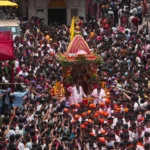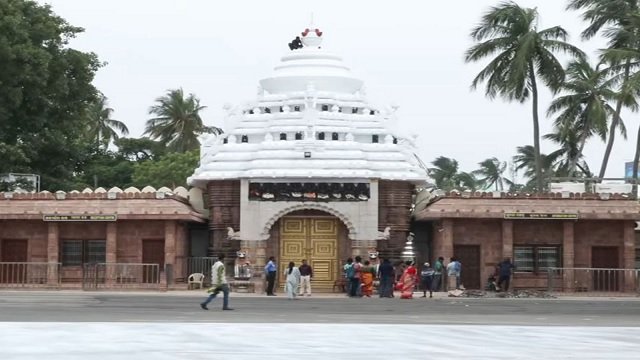






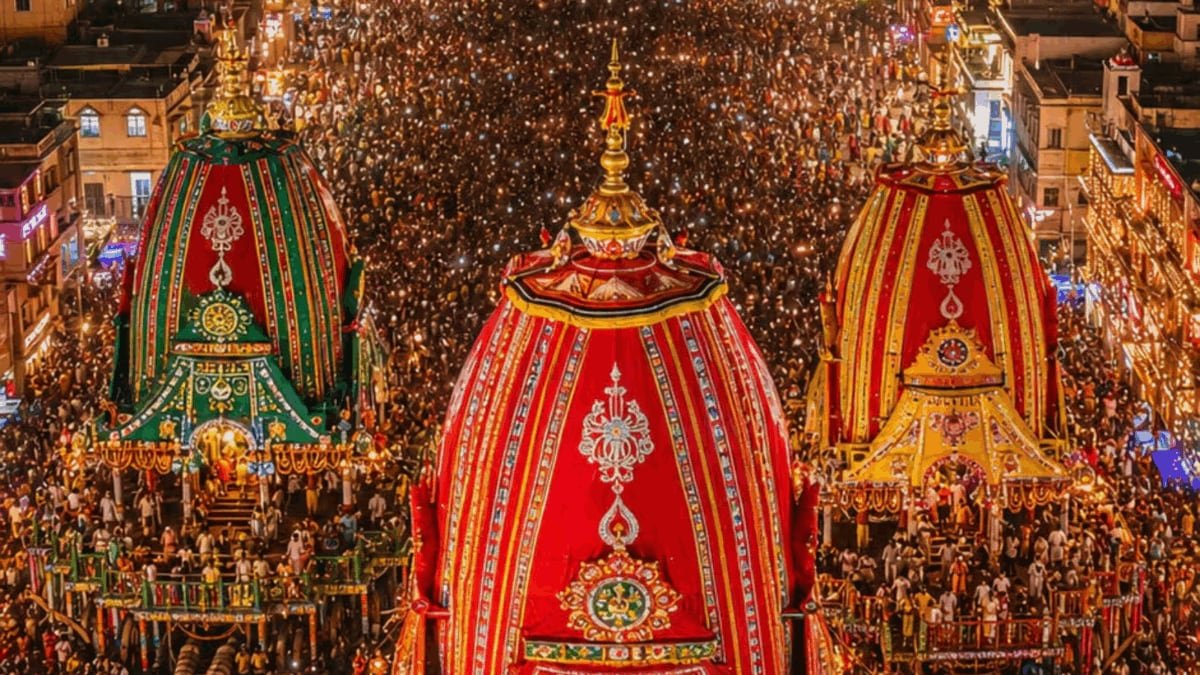
The illustrious Jagannath Rath Yatra 2026 was inaugurated in Puri, Odisha, on Thursday, attracting a massive crowd of devotees eager to see Lord Jagannath, along with his elder brother Lord Balabhadra and sister Goddess Subhadra, as they set off on their annual pilgrimage from the historic Jagannath Temple to the Gundicha Temple.
During this grand procession, the three deities are removed from their sanctum and placed upon enormous wooden chariots, which are then pulled by the faithful along the nearly three-kilometer stretch of Bada Danda (Grand Road) leading to the Gundicha Temple. The deities will reside there for several days before making their return to the Jagannath Temple during the Bahuda Yatra.
Beyond its visual grandeur, the Rath Yatra is rich with centuries-old customs and meanings. Here’s a closer look at what makes this festival so special.
Significance of the Journey to Gundicha Temple
The annual journey signifies Lord Jagannath’s visit to the Gundicha Temple, seen as the residence of his maternal aunt. It is said that Goddess Subhadra expressed a desire to visit her aunt’s house, prompting Lord Jagannath and Lord Balabhadra to accompany her, thus establishing the tradition of the Rath Yatra.
This pilgrimage, also referred to as Gundicha Yatra, is one of the rare occasions when the deities leave their temple to bless devotees who may be unable to enter the shrine, highlighting its inclusive nature.
Why is Goddess Subhadra Seated Between Her Brothers?
The positioning of Goddess Subhadra between Lord Jagannath and Lord Balabhadra is a deeply ingrained aspect of Jagannath worship, grounded in temple tradition. It symbolizes familial love, protection, and unity, with this arrangement observed both inside the Jagannath Temple and during the Rath Yatra as the three deities travel together.
Annual Construction of Wooden Chariots
A distinctive characteristic of the Rath Yatra is the yearly construction of the towering chariots, made anew from specific types of wood sourced from Odisha. This construction is performed by hereditary carpenters following age-old rituals and traditional methods. Once the festival concludes, the chariots are taken apart, and new ones are built for the next year’s event, symbolizing renewal and the cyclical nature of existence.
Worship of Jagannath, Balabhadra, and Subhadra Together
In contrast to most Hindu temples that feature a single main deity, the Jagannath Temple houses Lord Jagannath, Lord Balabhadra, and Goddess Subhadra as a unified trio. The three siblings embody divine unity and familial harmony. Each deity has a separate chariot—Nandighosha for Jagannath, Taladhwaja for Balabhadra, and Darpadalana (Devadalana) for Subhadra—yet they travel together, reinforcing their sibling bond.
Replacement of Idols Every Few Years
Unlike the stone or metal idols commonly found in other temples, the deities at Jagannath Temple are carved from sacred neem wood. Every 12 to 19 years, during a ceremony known as Nabakalebara, these wooden idols are ceremonially replaced in the occurrence of an extra lunar month (Adhika Ashadha) in the Hindu calendar. This ritual signifies the belief that while the physical forms may change, the divine essence remains eternal.