





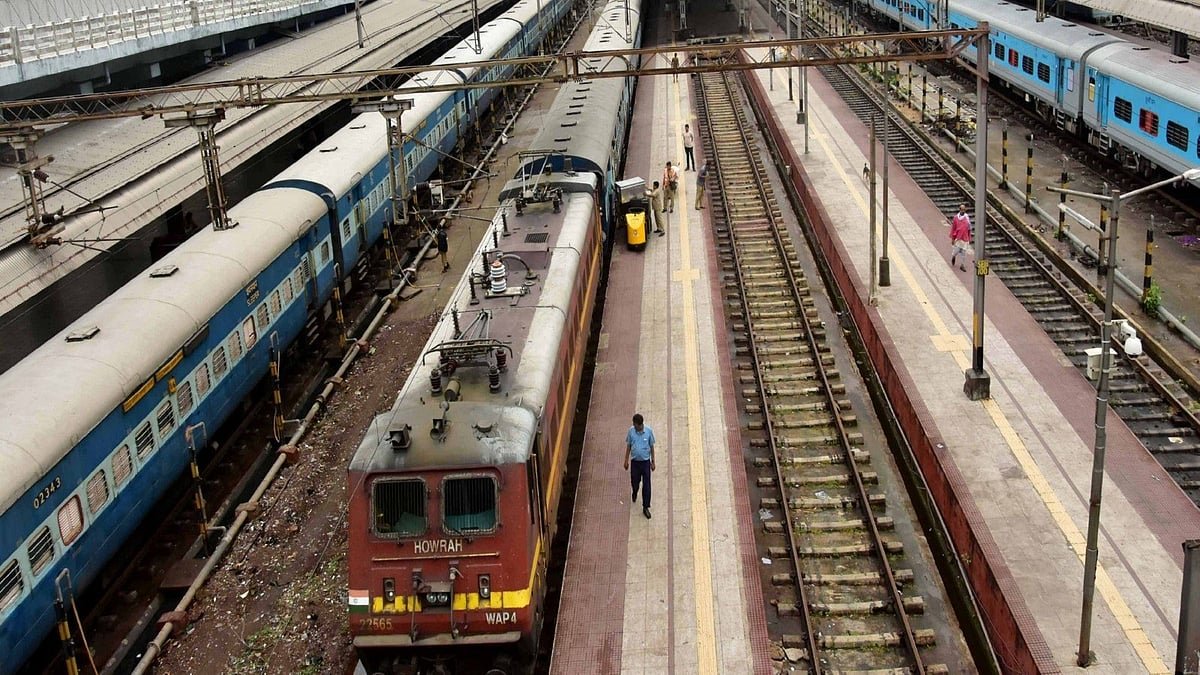
NEW DELHI: In August 2026, Indian Railways achieved a 5.4% year-on-year increase in freight loading, amounting to 137.9 million tonnes compared to 130.9 million tonnes in the same month last year, according to a statement from the Ministry of Railways released on Sunday. Additionally, freight revenue rose by 6.27% during this period.
An official announcement highlighted that the surge in freight movement was largely influenced by heightened demand from vital sectors, including coal, iron ore, steel, fertilizers, and other goods.
“Higher rail freight movement also helps industries access reliable transportation while supporting the movement of essential commodities across regions,” stated Indian Railways.
Several commodity categories showed growth in August. Iron ore loading rose by 12.1%, clinker by 10.4%, domestic containers by 9.2%, and coal by 6%. Finished steel loading increased by 4.9%, while mineral oil saw a 3.1% rise, fertilizers by 1.6%, and other goods by 8.2%.
“The growth in these segments strengthens the rail-based supply chain for industries and supports the movement of essential inputs and finished goods across the country. Increased container movement, in particular, supports more efficient transportation of diverse goods through the rail network,” Indian Railways noted.
In August, five new Gati Shakti Cargo Terminals were launched at Shivlakha in Gujarat, Nalli in Tamil Nadu, Shaktinagar in Uttar Pradesh, Deoragram in Madhya Pradesh, and Brajrajnagar in Odisha, bringing the total to 149.
“The expansion of the Gati Shakti Cargo Terminal network brings freight-handling facilities closer to production and consumption centres. By enabling more direct and efficient handling of goods, these terminals can reduce avoidable movement, improve logistics efficiency and facilitate faster evacuation of freight from industrial and commercial locations,” the railway stated.
In the passenger sector, 14 Amrit Bharat services transitioned from special to regular trains in August, raising the total to 86. These services connect important cities and regions, spanning Uttar Pradesh, Bihar, Gujarat, Maharashtra, and Tamil Nadu. Notable routes include Ubedarganj-Lokmanya Tilak Terminus, Gorakhpur-Bandra Terminus, and Ahmedabad-Bhagalpur.
“For Purvanchal and eastern Uttar Pradesh, services from Gorakhpur to Bandra Terminus and Delhi provide additional connectivity to two major metropolitan regions, benefiting passengers travelling for employment, education, business and family purposes,” the railway added.
“Similarly, the Ahmedabad-Bhagalpur connectivity strengthens the rail link between Gujarat and Bihar, providing passengers from both regions with another direct travel option. The Dhanbad-Coimbatore service improves long-distance connectivity between eastern and southern India, particularly benefiting passengers travelling between industrial and employment centres,” the railway claimed.
Furthermore, the railway noted that the services connecting Prayagraj and Udhna, as well as Prayagraj and Mumbai, enhance travel options for passengers in Uttar Pradesh heading towards western India.
This expansion of Amrit Bharat services is part of Indian Railways’ initiative to offer comfortable, affordable, and accessible long-distance train travel between major urban areas and emerging regional hubs.
Indian Railways also reported carrying 67.27 crore passengers in August 2026, up from 64.43 crore in August 2025. Suburban passenger traffic exhibited strong growth of 9.02%, with 38.01 crore passengers using the service during the month compared to 34.89 crore in the previous year.
In response to increased passenger demand during the festival period, Indian Railways operated 144 trips of Rakshabandhan Special trains from August 25 to 31, 2026, a significant increase from 48 trips between August 8 and 14, 2025.
These advancements reflect Indian Railways’ ongoing commitment to enhance passenger connectivity, optimize travel alternatives, bolster freight infrastructure, and adapt to shifting demand patterns.
With capacity expansions and improved operational efficiency, Indian Railways aims to fortify the rail network as a crucial driver of economic activity and regional connectivity throughout the country.