





One of the most notable developments highlighted during the review is BSNL’s shift from a legacy 3G network to a competitive 4G player. This transition is crucial, as the telecom market in India has largely moved beyond 3G, with users increasingly demanding high-speed data services for streaming, gaming, and digital applications.
BSNL has commenced the rollout of its 4G network across various circles, marking a long-awaited upgrade that could help it remain relevant in a highly competitive market. The success of this transition will be vital in determining whether the company can maintain its ARPU growth and attract new subscribers.
The 4G rollout is also anticipated to lay the groundwork for BSNL’s eventual transition to 5G services, although timelines and execution will remain key challenges.
Beyond operational enhancements, the government has underscored BSNL’s role in advancing India’s indigenous telecom capabilities. According to the minister, India has now joined an elite group of just five countries worldwide that have developed end-to-end indigenous telecom technology.
This includes both core network and radio access components, which are being deployed as part of BSNL’s 4G rollout. The initiative aligns with the broader “Atmanirbhar Bharat” campaign, which aims to bolster domestic manufacturing and reduce reliance on foreign technology providers.
The push for an indigenous telecom stack is not merely symbolic. It carries substantial implications for national security, cost optimization, and long-term technological independence. By positioning BSNL at the center of this initiative, the government is effectively utilizing the operator as a platform to test and scale homegrown telecom solutions.
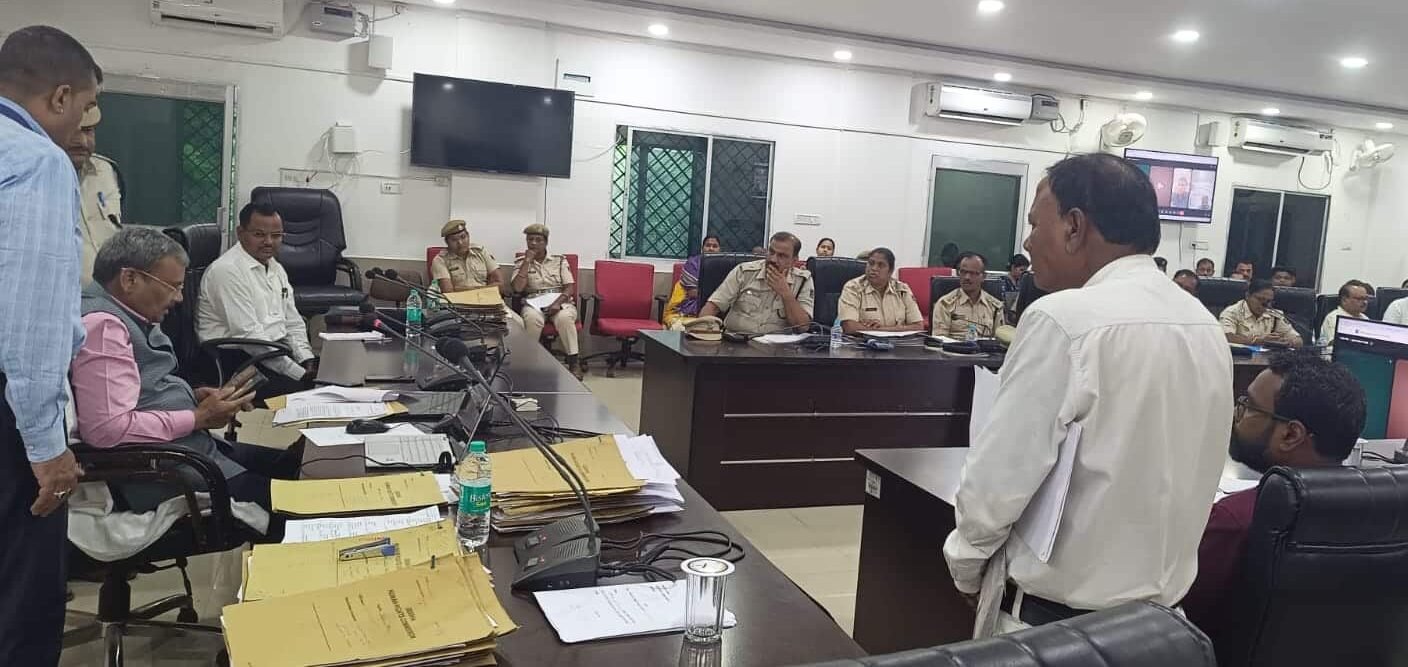
The review meeting also acknowledged the performance of various telecom circles and business verticals within BSNL. The Odisha circle emerged as the top-performing circle, achieving approximately 21% growth in revenue from services and consistently meeting key performance targets.
In the enterprise segment, Odisha again excelled with an impressive 68% year-on-year growth, while the enterprise business vertical overall recorded a 15% increase in revenue. Other circles such as Karnataka, Assam, and Jharkhand were also recognized for improvements in EBITDA and overall performance across multiple business segments.
These regional highlights suggest that BSNL’s recovery is not confined to a single market but is driven by enhancements across different parts of the country.
Despite these positive indicators, BSNL continues to face significant challenges in competing with private operators. Reliance Jio and Bharti Airtel have established extensive 4G and 5G networks, offering superior coverage, faster speeds, and a wide array of bundled services.
BSNL’s strategy seems to focus more on affordability and accessibility, particularly in rural and semi-urban markets. While this positioning can help the operator retain a loyal user base, it may not be enough to attract high-value users in urban markets where network performance is a key differentiator.
The company will need to accelerate its network expansion, enhance service quality, and ensure a consistent user experience to compete effectively.
Looking ahead to FY 2026-27, the government has outlined a clear set of priorities for BSNL, including improving customer experience, strengthening operational efficiency, and ensuring rigorous monitoring at the circle level.
The emphasis on accountability and execution suggests that while early signs of improvement are visible, sustained progress will depend on how effectively these strategies are implemented on the ground.
The government has also highlighted the importance of continued collaboration with telecom equipment manufacturers to strengthen the domestic ecosystem and consolidate India’s position as a global leader in indigenous telecom technology.
BSNL’s FY26 performance, particularly the notable rise in ARPU, offers a glimpse of a potential turnaround story. However, the journey is far from over; sustaining this momentum will require consistent improvements across multiple areas, including network rollout, customer acquisition, and service quality. At the same time, the operator’s role in advancing India’s indigenous telecom ambitions adds a strategic dimension to its revival efforts.
For now, the numbers indicate progress. Whether BSNL can build on this foundation and emerge as a stronger competitor in India’s telecom market will depend on execution, scale, and the pace of its transformation in the years ahead.