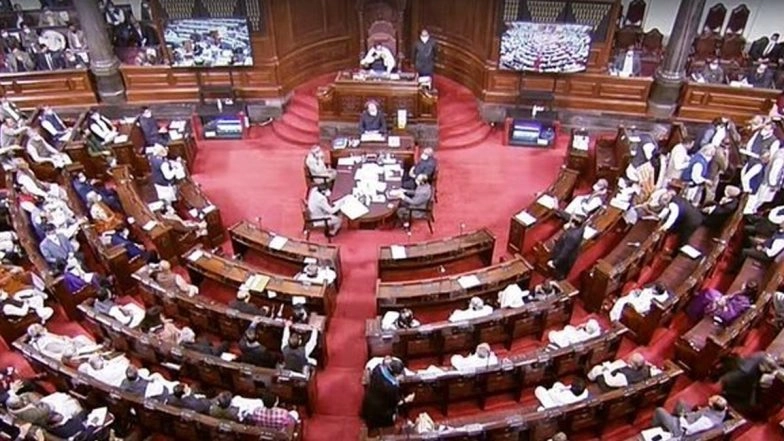







Bhubaneswar: The political turmoil surrounding the alleged cross-voting during the Rajya Sabha elections in Odisha on March 16 has escalated, with the Opposition party, Biju Janata Dal (BJD), filing a challenge in the High Court of Orissa against the decision made by Assembly Speaker Surama Padhy.
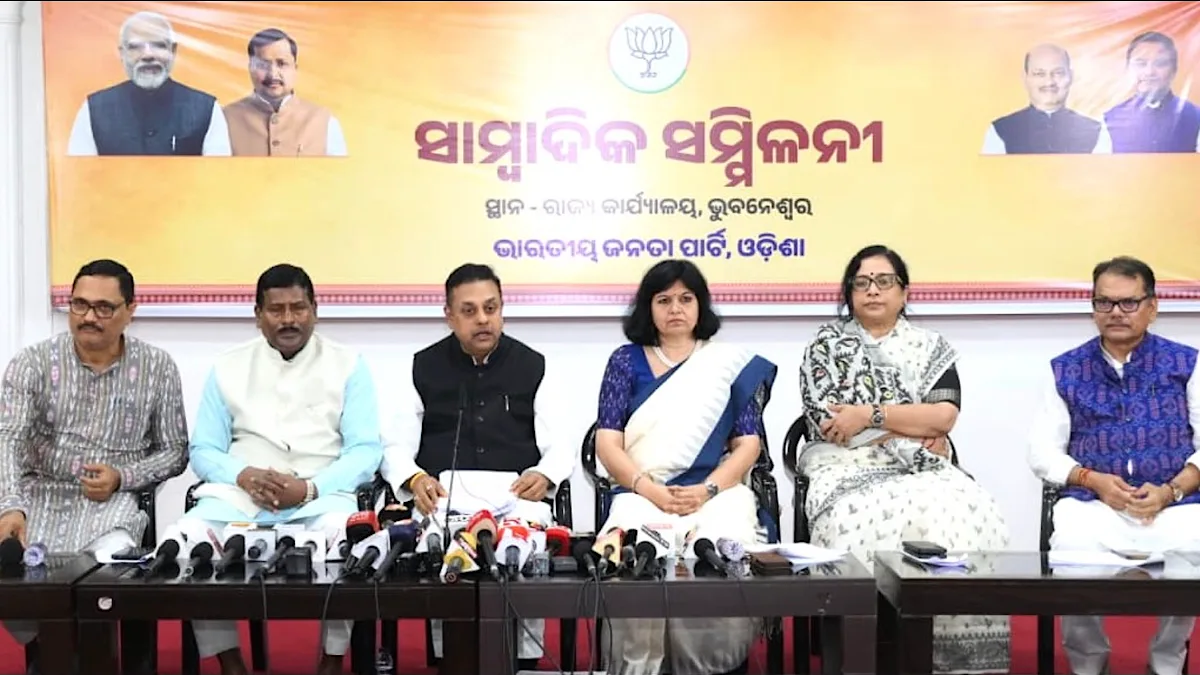
On Saturday, BJD’s chief whip and senior MLA Pramila Mallik announced that she submitted a writ petition to the High Court on Thursday, disputing the Speaker’s ruling. She claimed that the Speaker acted independently without allowing the Opposition to present its arguments.
“We have full faith in the Court and are confident of getting justice,” Mallik stated to reporters in Bhubaneswar.
The BJD previously sought to disqualify eight MLAs, asserting that they had violated the party’s directive during the Rajya Sabha elections by voting contrary to the party’s collective decision.
The controversy began when Dilip Ray, an Independent candidate supported by the BJP and a former Union minister, triumphed over the joint Opposition candidate Datteswar Hota in a tightly contested race for the fourth Rajya Sabha seat from Odisha. Alongside Ray, BJP candidates Manmohan Samal and Sujeet Kumar, as well as BJD nominee Santrupt Misra, were also elected. The cross-voting by some Opposition MLAs was crucial to Ray’s win.
Following the elections, both the BJD and Congress approached the Speaker, requesting the disqualification of a total of 11 MLAs—eight from BJD and three from Congress—alleging breaches of party whips. The Congress party also began disciplinary measures against its three members.
In June, however, Speaker Padhy dismissed these petitions, citing procedural flaws and insufficient supporting evidence. The Assembly Secretariat labeled the BJD’s requests as “cryptic, vague, and unsubstantiated,” stating they did not meet the necessary statutory criteria under Rule 6, particularly sub-rules (6) and (7), of the Members of the Odisha Legislative Assembly (Disqualification on Ground of Defection) Rules.
The Speaker’s ruling permitted all 11 MLAs to keep their positions within the Assembly.
Now, the BJD has taken its appeal to the High Court, contending that the alleged disobedience of the party whip constitutes anti-party behavior that deserves action under the anti-defection law.