




Bhubaneswar: On Wednesday, the Biju Janata Dal (BJD) launched a robust critique of the Odisha government’s initiative to establish private nuclear power plants, raising significant alarms regarding safety, national security, and legal ramifications.
This opposition follows reports indicating that officials from the Adani Group met with Deputy Chief Minister and Energy Minister Kanak Vardhan Singh Deo to discuss a substantial ₹1.5 lakh crore investment in the state’s clean energy sector.
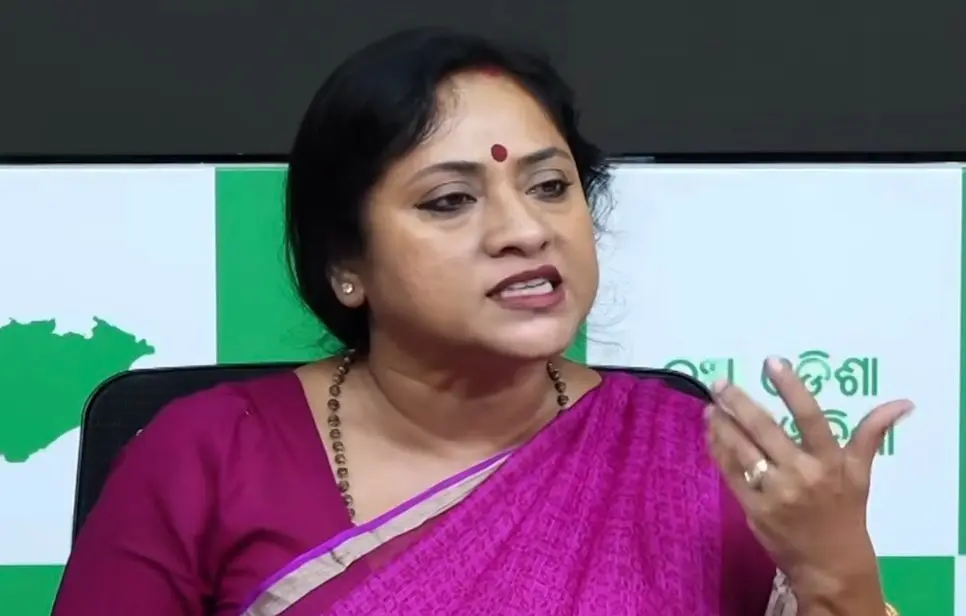
During a press conference in Bhubaneswar, BJD spokesperson Lekhashree Samantsinghar cautioned against turning Odisha into a “nuclear laboratory” and requested immediate clarifications from both state and central authorities. “A private company has proposed the establishment of nuclear power facilities in Odisha. Representatives from this company recently conferred with Deputy Chief Minister Kanak Vardhan Singh Deo regarding the proposal. The BJP government is facilitating the privatization of the nuclear energy sector,” she asserted.
The BJD contended that handing over vital atomic infrastructure to private corporations poses significant risks to public safety. Samantsinghar accused the BJP-led government of compromising the safety of citizens and the interests of the state for the benefit of corporate entities.
Highlighting the inherent dangers of nuclear power, the opposition party insisted that the industry should remain under state control, as is the case in major economies such as France, Russia, China, and South Africa. “Nuclear energy is a matter of national security and public safety, akin to defense. It is unwise to transfer such a destructive force and critical infrastructure to private corporations,” the spokesperson emphasized.
She pointed out that nuclear energy generation is predominantly state-controlled in countries like France, Russia, China, and South Africa, while Germany and Taiwan have moved away from nuclear energy due to safety concerns. “Nuclear energy is fundamentally risky and poses a significant threat to human life. Most nations maintain ownership and control of nuclear energy within government hands, yet under the BJP government, this long-standing principle is being undermined by granting nuclear energy to private firms,” she mentioned.
Referencing the catastrophic Chernobyl disaster of 1986 and the Fukushima incident in 2011, Samantsinghar underscored the irreversible and multi-generational impacts of nuclear disasters. “If a nuclear accident were to occur, even spending vast sums would not be adequate for compensation. Countries like Japan are still grappling with the repercussions of Fukushima 15 years later. Odisha cannot endanger its biodiversity, populace, and future generations for corporate gains,” she cautioned, asserting that environmental damage cannot be rectified through corporate financial compensation.
The BJD also pointed out that Odisha is currently power-surplus, with peak demand around 6,500 MW compared to a generation capacity of approximately 9,000 MW, indicating no structural need for nuclear power plants. “Odisha is already a power-surplus state. We do not require nuclear reactors or plants. If energy is needed elsewhere under the One Nation One Power Grid initiative, facilities should be established in regions without surplus energy rather than imposing a warning on Odisha,” Samantsinghar emphasized.
Additionally, the BJD leader criticized the central government’s Sustainable Harnessing and Advancement of Nuclear Energy for Transforming India (SHANTI) Act, 2025, which replaced the Atomic Energy Act of 1962 and the Civil Liability for Nuclear Damage Act of 2010. This legislation, enacted in December 2025, allows private participation in the nuclear sector, including areas such as fuel handling, mining, and import-export, while limiting operator liability to ₹3,000 crore for the largest plants and removing certain supplier liability provisions.
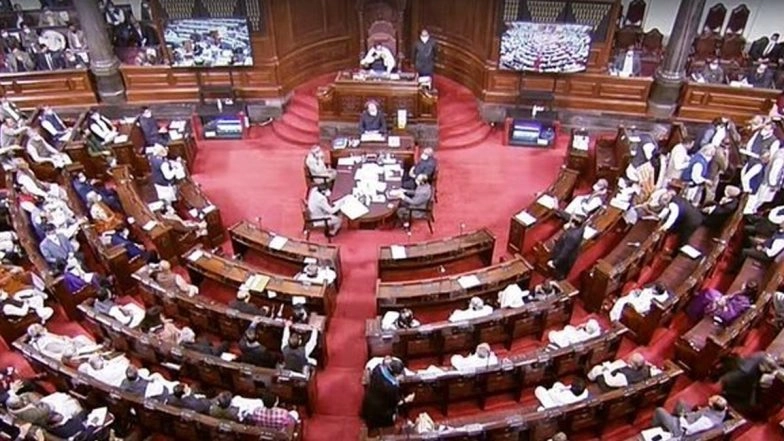
Samantsinghar claimed that the legislation was hastily passed without sufficient parliamentary discussion. Currently, India has about 8.8 GW of nuclear capacity and aims to reach 100 GW by 2047, with private entities expected to play a significant role.
The party raised concerns over meetings with private companies, which have reportedly begun searching for land and preparing Detailed Project Reports (DPRs) within just six months of the Act’s passage, even before the establishment of formal rules or safety protocols. “A process that typically requires at least five years of feasibility, seismic, and environmental assessments is being expedited within six months. The Deputy CM must clarify under what authority these meetings occurred when regulations have not yet been established,” she stated.
Samantsinghar described the pace of these developments as alarming and questioned the rationale behind allowing private ownership in such a critical sector.
She called for an apology from the Deputy CM and demanded assurances to halt any private nuclear projects, warning that any attempt by the BJP-led state government to advance the proposal would trigger widespread protests.
In late July, the Adani Group proposed the development of two 3,000 MW nuclear power plants, a 2,400 MW ultra-supercritical thermal facility, and several pumped storage projects aimed at providing reliable, low-emission baseload power to enhance the state’s energy security and support India’s net-zero target.