





The Indian Council of Agriculture Research – Central Institute of Brackishwater Aquaculture (ICAR-CIBA) in Chennai has developed an innovative biofertilizer technology using fish waste, providing a sustainable and economically viable alternative to traditional fertilizers during the global fertilizer crisis.
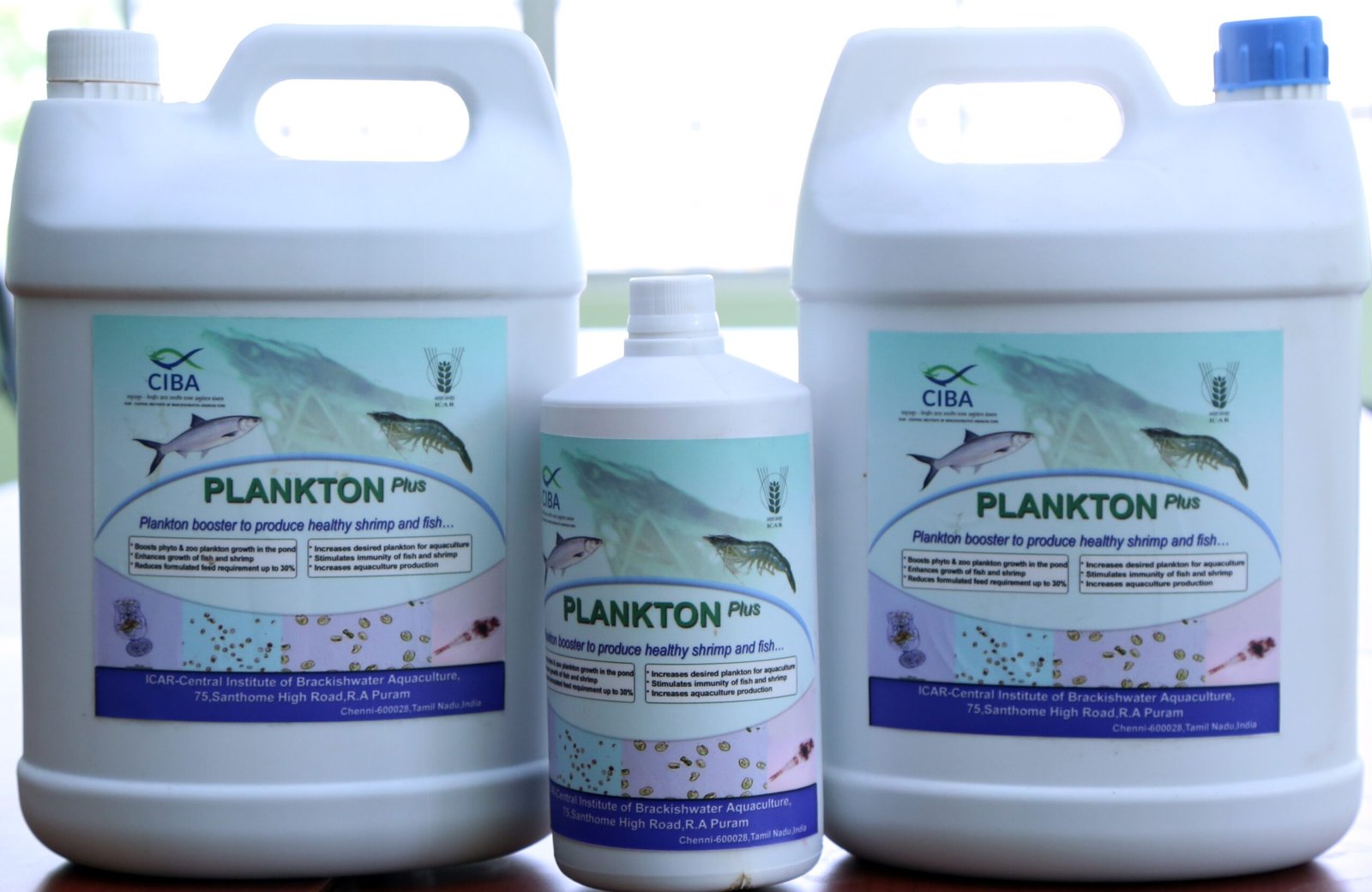
The institute has introduced two novel products, CIBA-PlanktonPlus and CIBA-HortiPlus, both derived from fish market waste.
These products address the dual challenges of proper fish waste disposal and the increasing demand for eco-friendly nutrient sources that improve soil fertility and agricultural productivity.
India produces nearly 195 lakh tonnes of fish each year, resulting in over 60 lakh tonnes of fish waste. Scientists estimate that this underutilized resource could yield approximately 48 lakh tonnes of CIBA-PlanktonPlus and 3 lakh tonnes of CIBA-HortiPlus annually, converting a significant environmental issue into a valuable agricultural resource.
Dr. Kuldeep K. Lal, Director of ICAR-CIBA, reported that multi-location on-farm trials in Andhra Pradesh, West Bengal, Gujarat, Kerala, Tamil Nadu, and Odisha showed significant benefits of CIBA-PlanktonPlus in aquaculture. Its application in fish and shrimp ponds increased production by 0.6-0.8 tonnes per hectare, improved survival rates by 10-15 percent, and reduced feed requirements by 20-50 percent.
Large-scale adoption of this technology could potentially add 49.2 lakh tonnes of fish and shrimp production from India’s estimated 12.3 million hectares of aquaculture area, significantly enhancing national fish production and farmers’ incomes.
The biofertilizer has also shown promising results in agriculture. Field trials with paddy and vegetable crops indicated substantial reductions in chemical fertilizer usage without sacrificing productivity. Foliar application of CIBA-PlanktonPlus led to significant savings in nitrogen fertilizer (urea) for paddy cultivation, while vegetable crops such as beans, spinach, cabbage, cauliflower, and beetroot experienced notable yield increases.
The second product, CIBA-HortiPlus, is a nutrient-rich organic manure created from processed fish waste. Applying 1.5-2.0 tonnes per hectare increased potato yields by up to 23.8 percent and effectively replaced 100-150 kg of DAP fertilizer per hectare, while also improving soil fertility and enhancing crop mineral content.
Dr. Debasis De, Principal Scientist at ICAR-CIBA and leader of the scientific team behind the innovation, emphasized that these products not only boost crop productivity but also play a crucial role in restoring soil health and reducing reliance on chemical fertilizers.
Recognizing the technology’s potential, the Government of Maharashtra has included fish waste recycling and the production of PlanktonPlus and HortiPlus under the Mukhyamantri Matsyasampada Yojana, offering 75% financial assistance to beneficiaries for establishing production units and promoting adoption.
To ensure widespread dissemination, ICAR-CIBA has launched capacity-building programs for coastal fisher self-help groups, fish farmer producer organizations, and entrepreneurs. Production units have already been set up in several states, including West Bengal, Andhra Pradesh, Tamil Nadu, and Maharashtra, creating job opportunities while supporting the goals of the Swachh Bharat Mission through improved fish waste management.
With a growing focus on natural farming, sustainable agriculture, and circular bioeconomy models, fish waste-based biofertilizers like CIBA-PlanktonPlus and CIBA-HortiPlus could significantly reduce fertilizer imports, minimize environmental pollution, enhance soil health, and strengthen India’s food and nutritional security.
As the nation seeks resilient and sustainable solutions to emerging agricultural challenges, ICAR-CIBA’s “Waste-to-Wealth” innovation exemplifies scientific ingenuity that benefits farmers, fishers, consumers, and the environment.