






Maha Bishuba Sankranti, commonly referred to as Pana Sankranti, signifies the traditional New Year in Odisha. This festival is celebrated with joy and devotion, showcasing a harmonious blend of spirituality, culture, and appreciation for nature.
In 2026, the festival is observed on April 14, coinciding with the Sun’s transition into Aries, a period regarded as highly auspicious in Indian culture. Families across Odisha gather to welcome the new year through prayers, rituals, and festive culinary delights.
Significance of Maha Bishuba Sankranti
Maha Bishuba Sankranti carries profound cultural and spiritual significance. It marks the commencement of a new solar cycle, symbolizing renewal, positivity, and equilibrium in life.
Traditionally, this day represents the triumph of light over darkness. It is an occasion for individuals to cleanse their thoughts, start afresh, and express gratitude for nature’s gifts. Additionally, it is a time for prayers for harmony among humans, animals, and the environment.
Rituals and Traditions Followed in Odisha
The day begins early with a holy bath, representing the purification of both body and mind. Devotees visit temples to offer prayers, particularly to Lord Shiva and Lord Hanuman, in hopes of health, prosperity, and protection.
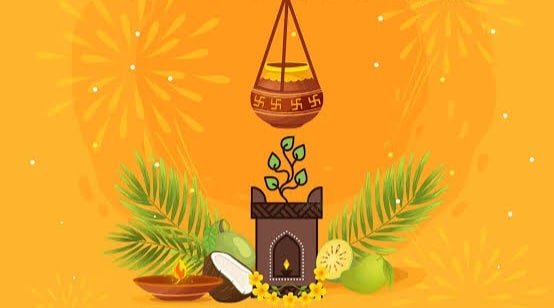
A key tradition is the preparation of the Pana drink, a refreshing beverage made from jaggery, fruits, and water, which is first offered to deities and then shared with family, friends, and the community.
Homes are adorned with mango leaves, and earthen pots filled with water, known as Pana Ghata, are hung outside residences. These pots drip water slowly, symbolizing care for nature and helping to cool the surroundings during the hot summer months.
Charity plays a significant role in the festival. People donate food, water, and clothing to those in need, embodying compassion and social responsibility.
Festive Celebrations Across Odisha
The essence of Maha Bishuba Sankranti extends from homes into public spaces. Cities such as Bhubaneswar, Cuttack, and Puri come alive with vibrant festivities.
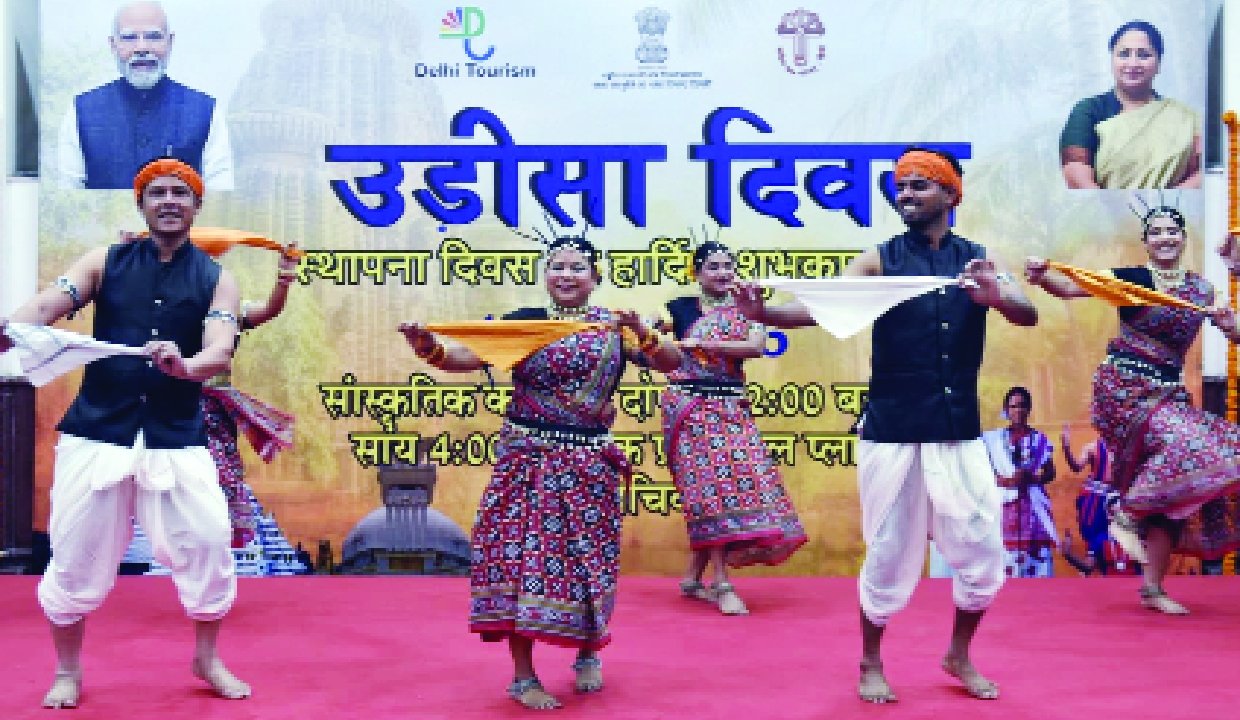
Local fairs, or melas, showcase folk performances, traditional dances, and storytelling forms like pala and daskathia. Markets brim with seasonal fruits, flowers, and festive items, infusing the atmosphere with color and energy.
Communities also organize events, cultural programs, and activities for children, aiming to preserve Odisha’s rich heritage and pass it on to future generations.
Spiritual and Astrological Importance
Astrologically, the Sun’s entry into Aries signifies the beginning of a new year in the solar calendar. This transition is believed to usher in fresh energy, courage, and growth.
Many devotees offer prayers to the Sun God, seeking strength and clarity. The festival also pays homage to the five natural elements—earth, water, fire, air, and space—emphasizing the profound connection between human life and nature.
Practices such as meditation, yoga, and chanting are commonly observed, aiding individuals in aligning their physical and spiritual well-being.
A Celebration of Culture, Nature, and Togetherness
Maha Bishuba Sankranti 2026 transcends being merely a festival; it is a celebration of life, renewal, and unity. It fosters community through shared traditions, acts of kindness, and respect for the environment.
As Odisha embraces the new year, this festival serves as a reminder that true happiness is found in community, compassion, and living harmoniously with the world around us.