






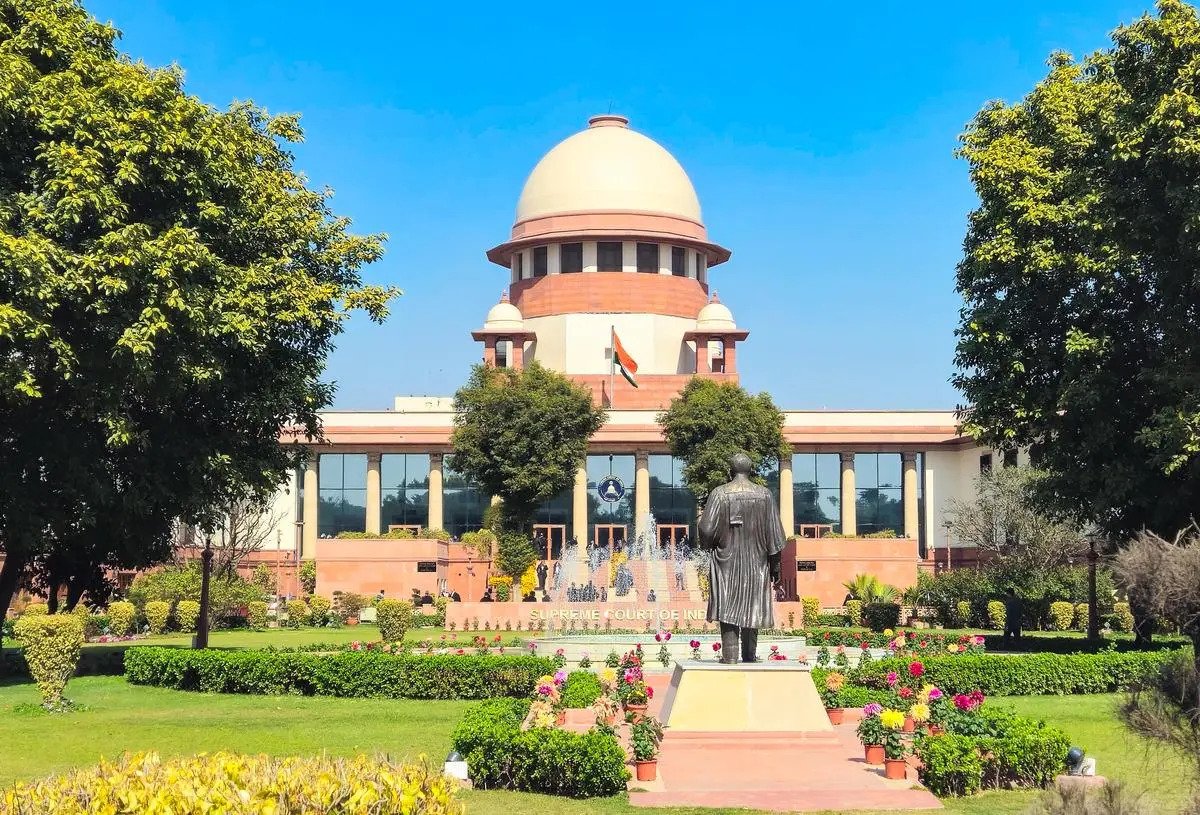
New Delhi: The Odisha government faced significant embarrassment during the Supreme Court proceedings concerning the selection process for the state’s Director General of Police (DGP). New evidence has surfaced indicating that two IPS officers, Sanjeeb Panda and RP Koche, who were recommended to the UPSC for the DGP position, had previously been interrogated by the CBI in connection with the ongoing Seashore Chit Fund Case (RC Case No. 49/S/2014-Kol).
Despite this, the state government specifically inquired about Susanta Kumar Nath, another candidate in the DGP selection process, regarding his involvement in the ongoing SI recruitment scam being investigated by the CBI, while omitting to mention the situation of the other two officers. During the court session, the state government was criticized for seeking clarification about one officer just before the Em panelment Committee meeting scheduled for August 7, 2026.
Arguments presented by both the counsel for Nath, who is the petitioner in the PIL, and the Amicus Curiae, indicated that the CBI suggested Nath ‘may be examined’ in the investigation, contingent on the examination of officials from M/s ITI Ltd., and pending permission under section 17A. This response leaves the matter open-ended, suggesting that Nath’s examination is uncertain and, if it occurs, could be as a witness. The withdrawal of Nath’s Integrity Certificate based on the CBI’s response just before the Em panelment Committee Meeting was termed fraudulent by P. Chidambaram, a Senior Advocate representing the petitioner, a sentiment echoed by others, including the Amicus Curiae and senior counsel Prashant Bhushan.
The Bench remarked that the actions of the state government appeared to be a case of putting the cart before the horse. Further controversy arose during the hearing on September 24, when P. Chidambaram noted that the state government had allegedly provided false information in its affidavit to the Supreme Court, stating ‘Nath will be examined’ by the CBI, whereas records indicated he ‘may be examined’. This discrepancy is viewed as a serious issue, potentially misleading the court.
With the emergence of new facts about the CBI investigations into Panda and Koche regarding the chit fund scandal, the state government did not seek updated information on these officers before their names were recommended to the UPSC.
This selective approach in the selection process may now face renewed scrutiny in court, leading to further complications for the state government. While details regarding the CBI’s interrogation of the two officers have been intentionally concealed, efforts were made to suggest that the CBI might examine Nath concerning the SI scam, which led to the withdrawal of his Integrity Certificate.
Another legal point raised during the arguments was made by Solicitor General Tushar Mehta, who noted that the state government had reviewed the Integrity Certificates of all eligible officers, including Nath, as a precautionary measure in early August 2026.
However, the affidavit submitted to the court now appears to reflect a position not grounded in fact. There are claims that deliberate attempts to mislead the court have been made by senior legal officers, resulting in an earlier apology to the Amicus Curiae.
The state government has already faced scrutiny over various issues, including the sudden creation of Ex-Cadre posts and the promotion of two officers to qualify for empanelment, which violates the IPS(Pay) Rules. Additionally, the process has come under fire for not adhering to UPSC procedures dictated by the Supreme Court in the Prakash Singh case, extending the proceedings for over a month and a half. The Advocate General’s inappropriate remarks regarding the Supreme Court-appointed Amicus Curiae have also drawn negative reactions.
Solicitor General Tushar Mehta has publicly apologized for this incident during the court hearing. As the next hearing approaches on September 29, there is considerable anticipation regarding whether a resolution will be reached or if the appointment of the DGP for Odisha will remain uncertain.