



Jindal Steel has effectively utilized syngas in its galvanizing and color coating furnaces to combat the shortages of natural gas, LPG, and propane, allowing the company to sustain its operations amid supply disruptions. As a pioneer in the use of syngas for steel production, this innovation not only strengthens energy security but also supports low-carbon steel manufacturing.
Syngas, or synthesis gas, is a clean-burning fuel that converts waste and biomass into valuable energy, serving as a circular energy source. The transition to syngas, produced through the gasification of coal, has enabled Jindal Steel to alleviate fuel constraints in critical finishing processes that require high-temperature furnaces for applying zinc and color coatings to steel strips used in construction, appliances, and the automotive sector.
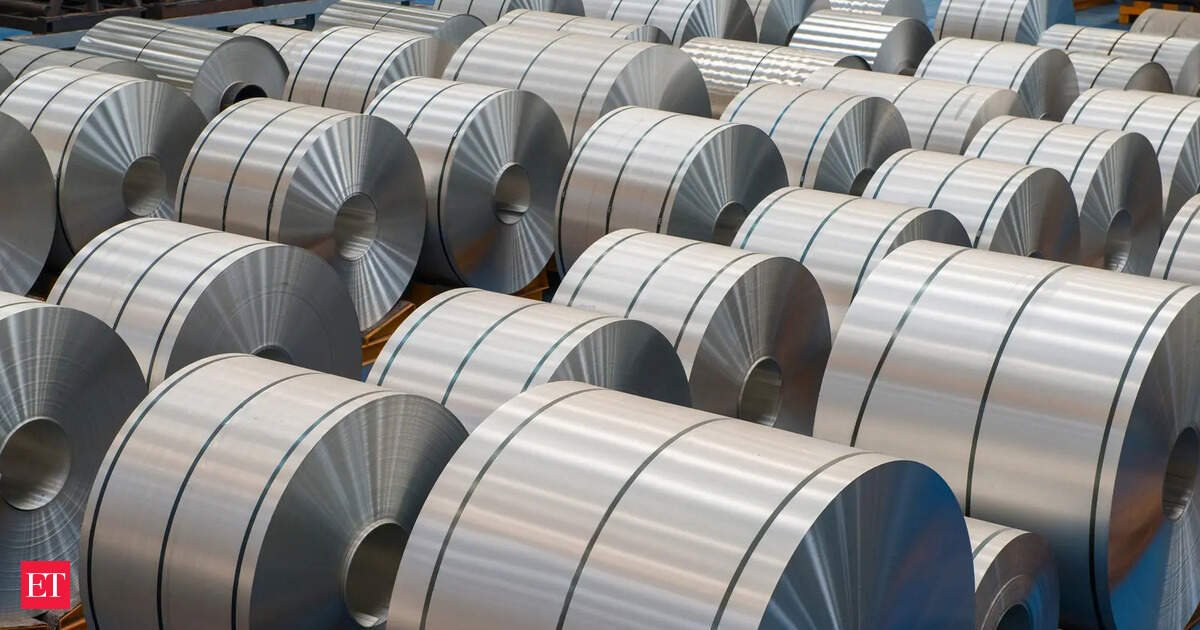
Galvanizing line furnaces apply protective zinc coatings to steel, while color coating line furnaces cure organic paints on metal, both operating in continuous, high-speed lines to enhance corrosion resistance and durability.
“In response to shortages of natural gas, LPG, and propane, Jindal Steel has now successfully deployed syngas in galvanizing and color coating line furnaces – marking the first such application in the steel industry. This has helped the company better mitigate fuel shortages in these unprecedented times,” the company stated in a filing to BSE.
The firm achieved a global first by establishing the country’s first coal gasification-based Direct Reduced Iron (DRI) plant, utilizing syngas for iron-making, according to the filing. Jindal Steel also noted that it has pioneered the injection of syngas into its blast furnace, reducing reliance on imported coking coal and decreasing carbon emissions per tonne of steel.
“This integrated deployment of syngas across the steelmaking value chain sets a new benchmark for efficiency, sustainability, and energy self-reliance,” the company remarked.
“Synthesis gas from indigenous coal can replace imported methanol, ammonia, ammonium nitrate, and LNG. India must utilize its vast coal reserves to future-proof low-carbon growth and reduce foreign exchange outflow.
Coal gasification will lower emission intensity, support CBAM (Carbon Border Adjustment Mechanism) compliance, and enhance our export competitiveness,” said P K Biju Nair, Executive Director Angul, Jindal Steel.
Jindal Steel emphasized that it has pioneered the use of indigenous coal through advanced coal gasification, significantly bolstering the country’s energy security while facilitating low-carbon steel production. With an investment exceeding $12 billion, Jindal Steel operates facilities in Angul (Odisha), Raigarh (Chhattisgarh), and Patratu (Jharkhand), maintaining strategic operations across India and Africa.