




Assessing disaster management efforts in Andhra Pradesh during the tenures of N Chandrababu Naidu reveals the pressing need for improved federal assistance and crop insurance after the recent cyclones Arnav and Murasu.
No matter the intensity of the storm, N Chandrababu Naidu has shown a capacity to mitigate damage effectively as chief minister. His approach focuses on minimizing losses while swiftly restoring what has been affected, even as cyclones make their way to the shore. The recent cyclones, Arnav and Murasu, which hit from afar, prompted the implementation of several precautionary strategies, resulting in significantly reduced fatalities.
The first cyclone, Arnav, struck on October 28, inflicting an estimated ₹4,526 crore in damage, while Murasu followed on November 3, damaging crops across 52,500 hectares. Preliminary reports indicate that the death toll from both cyclones was limited to around eight individuals. In southern Odisha, Arnav alone reportedly caused crop damage across over 90,000 hectares. Following assessments by central government officials, initial loss estimates informed decisions regarding financial aid and support. States such as Telangana, Karnataka, and Tamil Nadu have stepped in to provide necessary assistance to Andhra Pradesh during this challenging time.
The Real-Time Governance Society (RTGS) and technical experts played pivotal roles in minimizing casualties and property damage.
During the Hudhud cyclone in October 2014, Naidu demonstrated remarkable leadership, coordinating efforts to safeguard lives and property amidst the storm. While government support during crises often goes unnoticed, it is rare for a chief minister to actively lead ground-level aid initiatives. For leaders who view power as a privilege, providing assistance during difficult times is merely a duty; however, for Naidu, this commitment earned him widespread respect and admiration from the public.
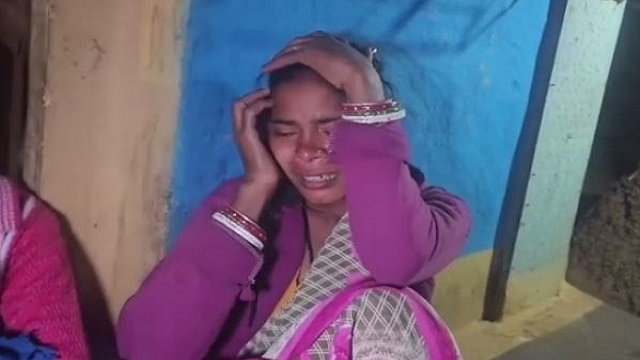
The Hudhud cyclone resulted in 63 fatalities and damages estimated at around ₹22,000 crore. Concerns over the potential impact of cyclones have long lingered in the region, particularly in the two Telugu states and Odisha, where such disasters have become a common threat, albeit tragic. The complexity of managing these disasters often leads to challenges, sometimes compounded by corruption. For many, especially those reliant on fishing along the coast, daily life turns into a struggle.
Fishermen brave harsh conditions, and the difficulties persist until they can return safely. This emphasizes the urgent requirement for skilled professionals who can leverage technology to predict disasters, as well as for enhanced collaboration between state and federal officials to implement proactive measures in advance.
Central and state authorities must act with diligence to protect crops from these calamities. Rapid, well-informed decisions are essential for minimizing losses. Furthermore, government agencies responsible for timely compensation and relief must adopt more decisive approaches. Although the Prime Minister’s Crop Insurance Scheme was launched a decade ago, its implementation at the local level remains inadequate.
There is a lack of documentation indicating that the scheme effectively compensates farmers for losses stemming from climate-related disasters. If the government manages to enroll all farmers in this scheme, it could alleviate some of the burdens faced by those affected. It would be advantageous for states to take the lead in ensuring farmers are aware of and can access this scheme while establishing local mechanisms for delivering support.
Initially, there was no intention of recovering compensation payments from governments. However, following the 15th Finance Commission’s recommendations two years ago, the national and state Disaster Response Funds have been reclassified from relief funding to recovery and reconstruction under this scheme, raising questions about the appropriateness of this shift.
In times of severe disruption caused by natural disasters, the central government must be prepared to provide immediate financial aid and implement supportive measures. This is vital for upholding the principles of federalism and democracy. True cooperative federalism should manifest as a genuine partnership where the central government acts in accordance with democratic values.
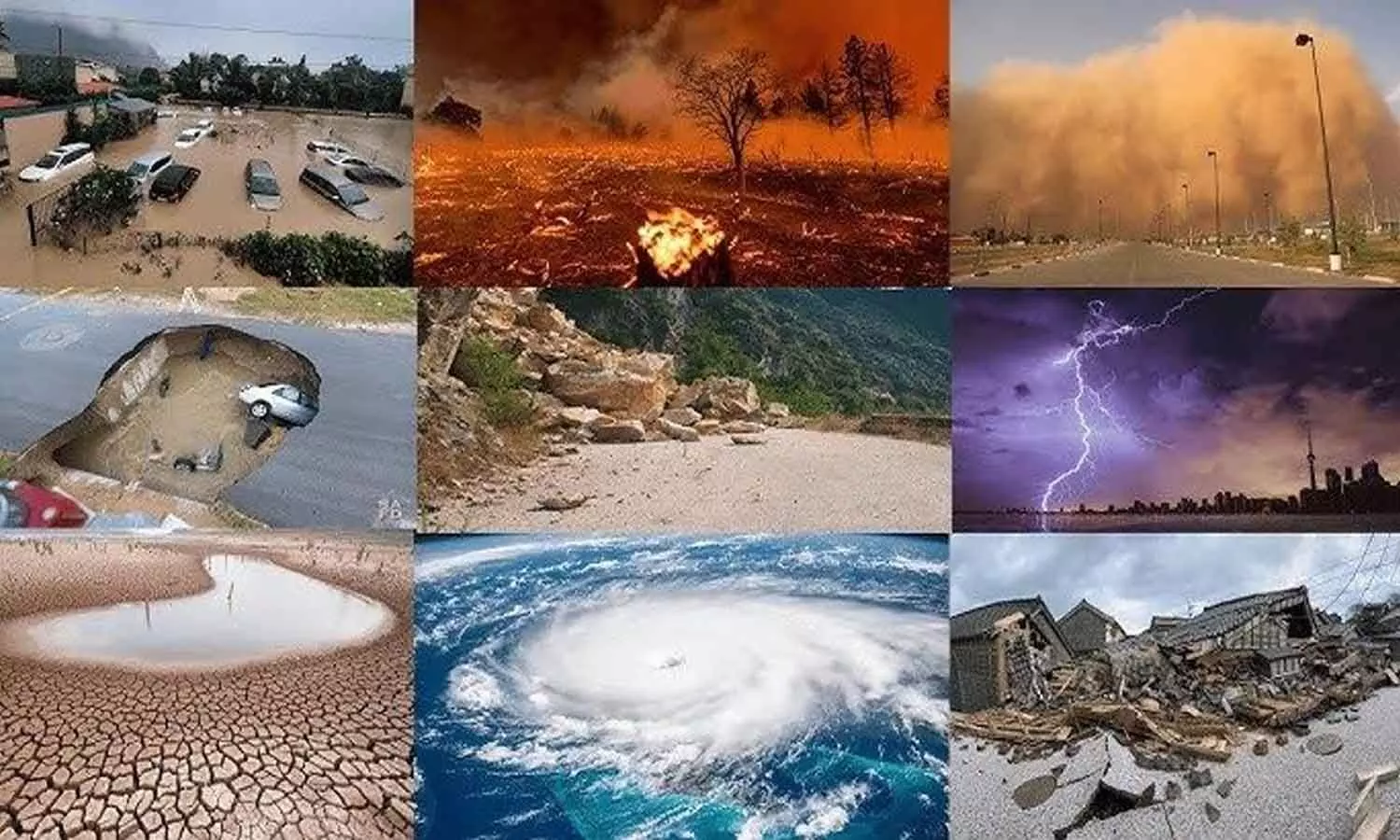
As cyclones continue to strike various states regularly, it is imperative to establish distinct mechanisms at both state and national levels to effectively address these natural disasters and reduce the impact on lives, property, and crops. While disaster management frameworks currently exist at both levels, their inadequacies and lack of technical support are evident. Therefore, an urgent need exists for a specialized scheme aimed at providing credible assistance in mitigating substantial losses, ultimately fostering effective governance in the eyes of those affected.