



Randall Sequeira, who earned his MBBS degree in Bengaluru, made a significant life choice in 2017 by relocating to Kalahandi, Odisha. The police have accused him of provoking individuals to file false claims against the government.
After finishing his medical education, Sequeira took a unique route, leaving his hometown of Mumbai to settle in Kalahandi, where access to basic healthcare is severely limited for many tribal residents.
While striving to enhance healthcare provisions for the local populace, Sequeira, now 39, joined other activists in openly opposing bauxite mining activities in the area.
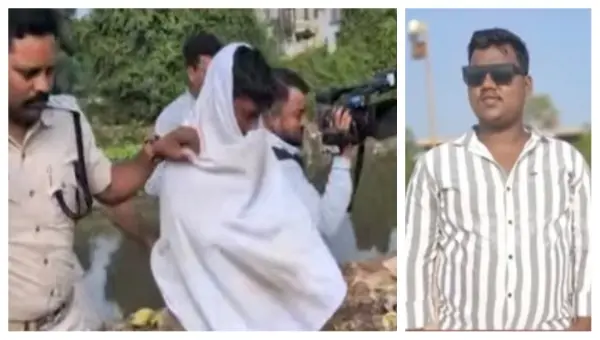
On the night of October 16, police apprehended Sequeira and fellow activist Laxman Naik at Sequeira’s residence in Bhawanipatna. They were subsequently transferred to the custody of Rayagada police, where Sequeira is currently held in judicial confinement facing charges that include attempted murder, rioting, and illegal possession of weapons.
In a statement to The Indian Express, Akhileshvar Singh, Inspector General of the southwestern range, indicated that the arrests were necessary to uphold law and order in the locality.
“There were at least four to five serious cases against him, and he is accused of inciting others to make false claims against the state government. Two tribal women have also filed a complaint against him for instigation,”
Singh informed The Indian Express.
The police assert that these arrests are related to a violent incident in April, involving a confrontation between tribal activists and police over road construction linked to the Sijimali bauxite reserve in Rayagada. Although Sequeira was not initially named in the FIR regarding the clash—which resulted in injuries on both sides—authorities claim his involvement was established during investigations.
Sequeira hails from Mangalore, Karnataka, but spent his formative years in Mumbai where he completed his schooling. He obtained his MBBS from St. John’s Medical College in Bengaluru and later earned an MD in internal medicine from Sawai Man Singh Medical College and Hospital in Rajasthan.
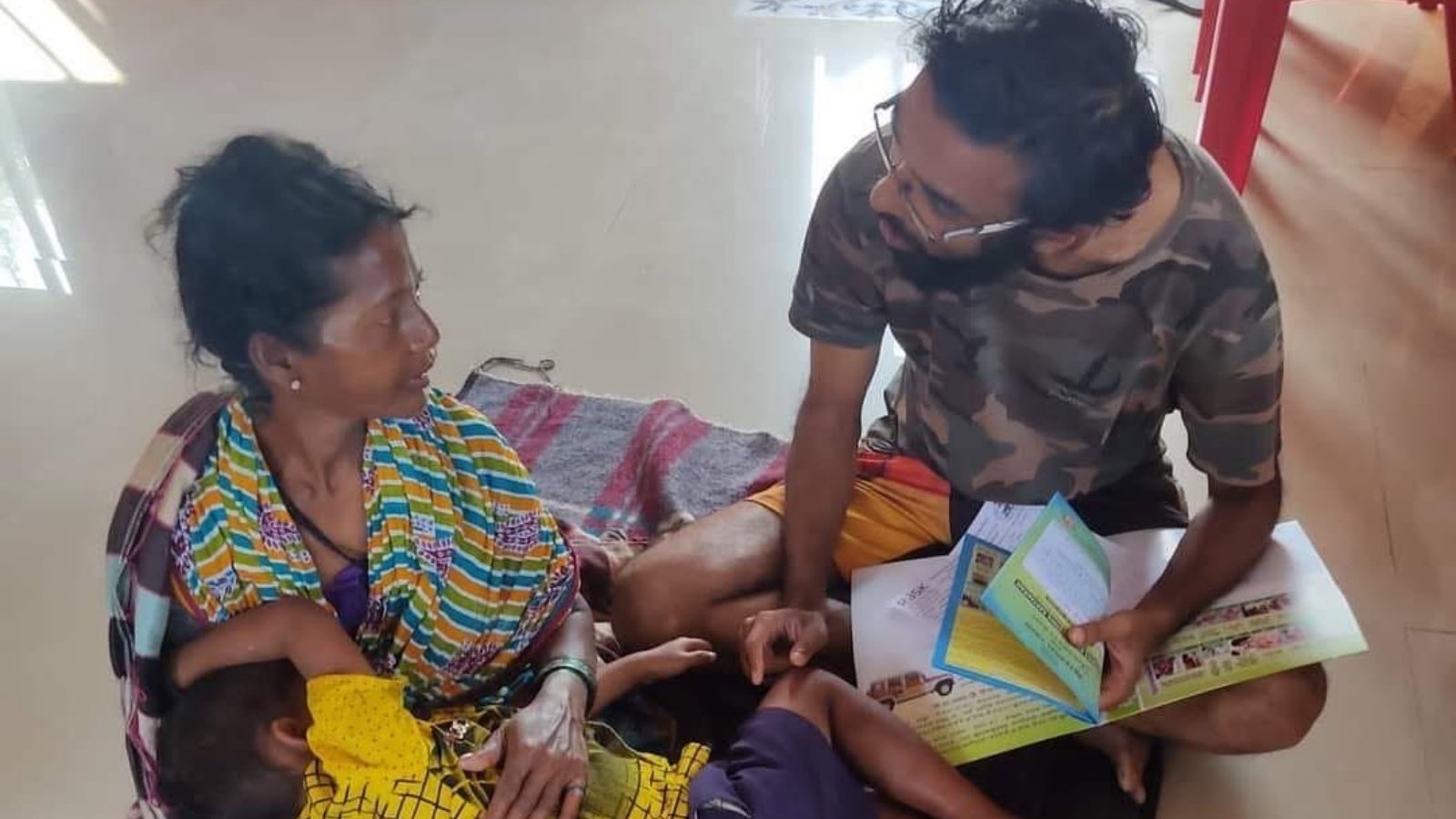
In 2017, he relocated to Kalahandi to collaborate with non-governmental organizations working in tribal areas. Eventually, he began operating independently, frequently visiting remote villages to provide medical care and gain insights into the lives of the tribal communities.
Dr. Dewal Sawarkar, who worked alongside Sequeira, noted that he not only treated common ailments such as malaria and tuberculosis but also sought to address the broader social, economic, and environmental issues affecting these communities.
“Sequeira believed in empowering individuals to make informed decisions regarding their health rather than solely relying on healthcare professionals,”
Dr. Sawarkar remarked.
Sequeira organized health camps for pregnant women and malnourished children to foster awareness and encourage community involvement in health improvement efforts.
His friends also mentioned that he assisted tribal students in preparing for medical entrance exams.
On his LinkedIn profile, Sequeira highlighted his work with Adivasi communities and his efforts to train local health volunteers in delivering basic healthcare services. “This work brings me joy as it empowers communities to take control of their health and well-being,”
he wrote.
During his time in Kalahandi, Sequeira became increasingly involved in supporting tribal opposition to bauxite mining. In September 2023, Kashipur police recorded a general diary entry about him for distributing pamphlets and anti-mining materials in villages near the Sijimali hills, where mining activities are proposed.
In July 2025, the Orissa High Court overturned an “exclusion order” that had previously restricted Sequeira’s access to Rayagada district. This order was issued under Section 163 BNSS, which allows Executive Magistrates to impose temporary restrictions to prevent public disturbances or safety threats.
Dr. Cyriac Abby Philips, a senior colleague from Sequeira’s medical school days, asserted that both Sequeira and Naik were detained overnight without a warrant, arrest memo, or any clear justification, and were denied access to legal representation and their families.
“Randall has dedicated years to providing healthcare to Adivasi communities in the remote hills of Kalahandi and Rayagada. His arrest is part of a broader crackdown on Adivasi and Dalit individuals opposing bauxite mining in the Sijimali and Kutrumali hills. Over a hundred people have been imprisoned, and movement leaders face re-arrest with every bail granted,”
Philips expressed on Instagram.
The Sijimali and Kutrumali blocks are rich in bauxite, located in the Eastern Ghats, and both areas are vital for the local economy and ecology. The Sijimali block encompasses 1,500 hectares with an estimated reserve of 311 million tonnes, while the Kutrumali block spans 702 hectares, holding about 127.737 million tonnes.
In February 2023, Vedanta secured the rights to the Sijimali mine, while Kalinga Alumina Limited, a subsidiary of the Adani Group, emerged as the preferred bidder for the Kutrumali block around the same time.
Many tribal residents oppose the mining project, claiming it threatens their livelihoods and the ecological balance of the region. They also resist infrastructure initiatives, such as railway and road construction, arguing that these will primarily benefit corporations. The Maa Mati Mali Surakhya Manch leads the anti-mining movement in the area.
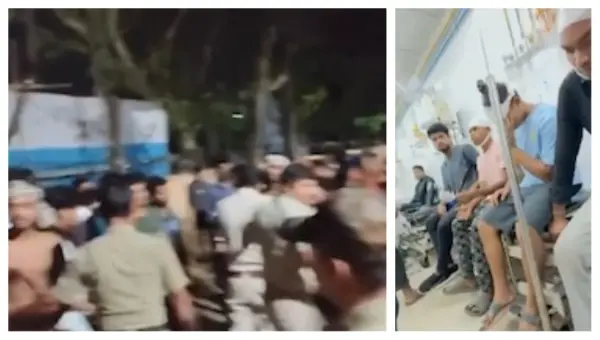
The conflict escalated on April 7 during a police raid in Kantamal village, which resulted in violence between tribal members and law enforcement. Locals have accused the police of conducting a pre-dawn raid to detain those opposing the Sijimali project, claiming that electricity was cut off prior to the incident and that officers forcibly entered homes. The police insisted they were there to arrest an individual with a non-bailable warrant. The clash left 58 people, including police, injured, and led to the arrest of 23 activists and local residents.
Prafulla Samantara, a prominent activist and Goldman Environmental Prize recipient for his long-standing opposition to bauxite mining in the Niyamgiri hills, criticized Sequeira’s arrest.
“Is it a crime for a doctor like Randall to advocate for tribal rights within the bounds of the constitution?”
he questioned in a letter addressed to the superintendents of police in Kalahandi and Rayagada. Samantara also condemned the ongoing police actions against local tribal and Dalit populations and their supporters.