






Tamil Nadu, recognized for its rapid industrialization, is witnessing a continuous surge in power demand, making electricity a critical factor for attracting investments.
During a review of the state’s electricity framework at the Tamil Nadu Electricity Board (TNEB) headquarters in September, Chief Minister C. Joseph Vijay emphasized the importance of achieving energy self-sufficiency.
He directed officials to expedite initiatives that integrate renewable energy, energy storage, advanced technologies, and a robust power distribution network to enhance local electricity generation.
The Chief Minister’s instructions come in light of challenges faced by the board, particularly a decline in wind energy output coinciding with rising temperatures in September.
The lack of self-sufficiency compels the government to rely on external power purchases, leading to increased costs and financial strain on a department already burdened with significant debt.
As a rapidly industrializing state, Tamil Nadu’s electricity demand is increasing, with power consumption rising by 13 percent in July compared to the previous year. The peak demand reached 21,400 MW this September, up from 17,500 MW last year.
To address these challenges, the state aims to expand its capacity in thermal and hydropower generation alongside renewable sources. One key initiative is the installation of rooftop solar panels on government buildings, schools, hospitals, and local authority facilities.
As of July 1 this year, Tamil Nadu’s total installed capacity stands at 46,846 MW, with 18,498 MW derived from conventional sources, including thermal and gas, and 28,348 MW from renewable resources, such as hydro, wind, solar, biomass, and co-generation.
The state’s commitment to renewable energy is significant, with plans to increase its share to 50 percent by 2031. The recently released Vision 2031 document highlights goals for improving electricity quality, promoting clean energy, fostering industrial growth, enhancing consumer services, and supporting sustainable economic development.
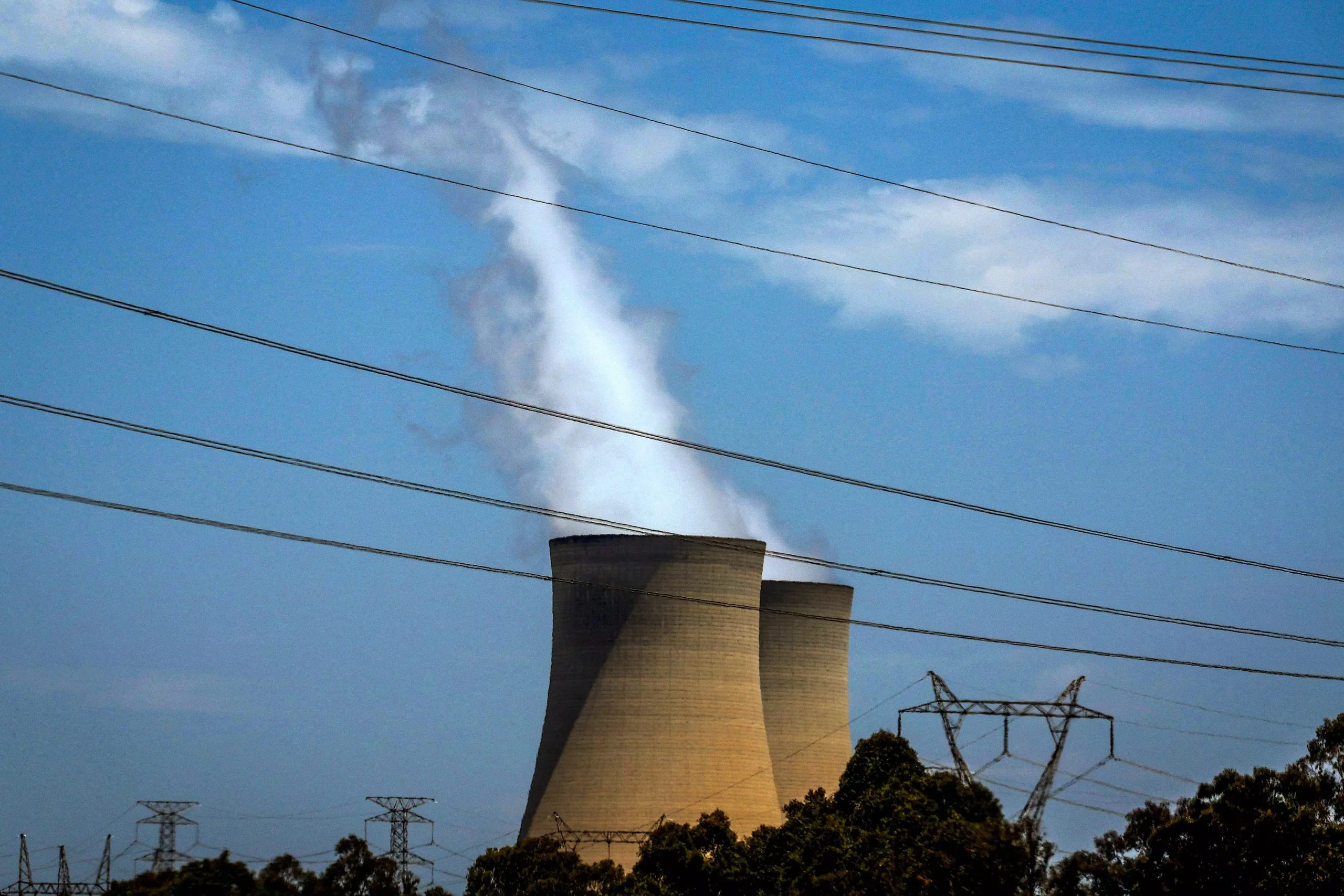
While the long-term goal is to boost green energy, reliance on fossil fuels remains, with ongoing projects for new thermal power plants. The Chief Minister has announced plans for an 800 MW thermal power plant in Thoothukudi.
The first unit of the Udangudi power plant is already supplying electricity to the Tamil Nadu grid, while the second unit, nearing completion, is expected to be operational before next summer, generating 660 MW.
This supercritical coal-fired power project, located in Udangudi village of Thoothukudi district, has a total estimated cost of Rs. 14,571 crore, with delays attributed to the Covid pandemic and local flooding.
Once operational, these two units will significantly boost power generation and reduce the need for external power purchases, ensuring a stable electricity supply across the state during peak summer months.
The Udangudi plant employs supercritical technology, which enhances efficiency by using less coal for electricity generation. It will utilize a mix of 50 percent imported coal from countries like Indonesia, South Africa, and Australia, along with 50 percent domestic coal from Odisha’s Talcher coal fields.
Additionally, the project includes a dedicated 8-km-long coal jetty and a pipe conveyor system for efficient coal transport. Trial operations have commenced, with the first unit expected to be operational by March and the second unit shortly thereafter.
In recent years, five thermal power units operated by the Tamil Nadu Power Generation Corporation Limited (TNPGCL) have boosted power output by 63.8 percent, reducing dependence on the open market for electricity and controlling costs.
These five stations generated 25,478 million units of power, a significant increase from 15,553 million units in the 2020-21 period. TNPGCL’s thermal stations have a combined capacity of 4,320 MW.
Plans are underway for further expansion, including the Ennore SEZ thermal station in Ennore, projected to produce 1,320 MW, with the first unit expected to open in August 2027.
Another initiative, the Expansion Thermal Power project, aims to generate 660 MW through a public-private partnership, and an e-tender for long-term power procurement has been issued.
The Uppur thermal power project, designed for 1,600 MW, faced environmental concerns and was temporarily halted by the National Green Tribunal in March 2021; however, it has since received approval from the Supreme Court, and the government is exploring options to revive the project.
Enhancing electricity production will also aid the board’s financial health, which currently faces a debt of Rs. 2.5 lakh crore. The department’s expenses, which stood at Rs. 60,000 to Rs. 70,000 crore three years ago, increased to about Rs. 1 lakh crore following tariff revisions, with expenses also rising by Rs. 30,000 crore.
The government is investigating the surge in expenses and is implementing measures to eliminate corruption and middlemen by promoting transparency in tender processes. Efforts are being made to strengthen the relationship between the department and electricity producers, with hopes of reducing reliance on external power purchases as more companies invest in energy production within Tamil Nadu.