







The tragic fatalities of natural-resource gatherers due to unintentional encounters with tigers in the Sundarbans have reignited feelings of sorrow and anxiety among local communities.
Such incidents leave families in distress, facing significant emotional and financial hardships, warranting public awareness and a compassionate discussion surrounding the issue.
Yet, media portrayals often sensationalize these events, emphasizing sensational headlines that depict the tiger, or any involved wildlife, as a ‘killer.’
From April 24 to September 2 of this year, there have been nine reported tiger attacks in the Kultali area of South 24-Parganas, resulting in the deaths of seven individuals, including one woman, while two others sustained injuries. All victims were engaged in harvesting from the mangroves and creeks.
The mangrove forests of the Sundarbans are a crucial habitat for tigers, recognized both nationally and internationally for tiger conservation. The tigers implicated in these incidents are not necessarily preying on humans and therefore should not be labeled as ‘killers.’
The designation of ‘man-eater’ is often misapplied. According to regulations, a tiger can only be classified as a ‘man-eater’ by the chief wildlife warden after a thorough investigation confirms that the animal is actively pursuing and consuming humans.
In most cases, these attacks are unfortunate accidents. Speculating about the presence of a ‘man-eater’ can lead to undue panic and unrest among the public.
Discourse following such occurrences must be approached with sensitivity. Once sensational narratives are established, they can persist long after the incident.
Media reports frequently describe these incidents as tigers that ‘lunged out of nowhere,’ which misrepresents the natural behavior of tigers in their habitat. It is not unusual for a tiger to emerge from the mangroves, as this is its environment; a tiger leaping from an urban structure would truly be unexpected.
It is vital to acknowledge that a significant portion of the Sundarbans’ mangroves is designated as a protected area for future generations. This unique landscape is the only mangrove ecosystem that supports the Bengal tiger, with approximately 100 tigers residing in India and 125 in Bangladesh.
The Sundarbans is home to millions of people whose livelihoods are intricately linked to its rivers, forests, and natural resources. Engaging in such an environment entails inherent risks, comparable to those encountered on busy roads. To mitigate these risks, understanding local ecology, respecting the environment, and practicing responsible behaviors are essential.
While tiger attacks can be deeply traumatic, they should not lead to a culture of blame or animosity. Tigers are not enemies of humans and generally avoid contact, although they might attack individuals who are foraging alone, especially if they are crouched down, resembling prey.
A mother tigress may also defend her cubs if she perceives a threat. The dense vegetation, narrow waterways, tidal patterns, and reliance on forest resources contribute to the likelihood of accidental encounters.
Furthermore, those who enter the forests to gather fish, crabs, or honey are often not acting recklessly; many are compelled by economic factors. Their situation calls for empathy, support, and practical solutions.
One effective long-term strategy to reduce risks involves creating safer, village-based job opportunities for those dependent on forest resources, particularly for men, who comprise over 90% of tiger attack victims in historical data.
Additionally, regulated, experience-oriented tourism could provide alternative livelihoods in areas like Kultali. Successful wildlife tourism initiatives in locations such as Rumbak village and Mushkoh Valley in Ladakh, Kibber and Chicham in Spiti, Periyar in Kerala, and Kabini in Karnataka serve as models.
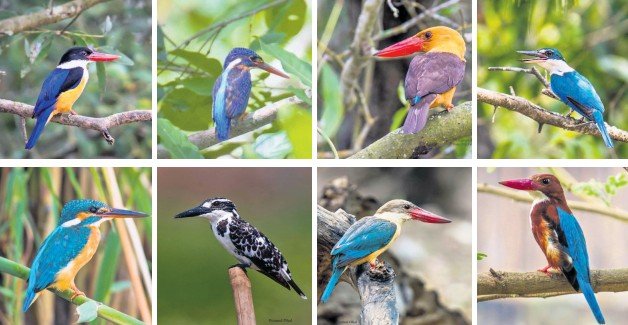
Tourism that highlights local culture, festivals, birdwatching safaris, as well as traditional food, agriculture, crafts, and textiles could generate income. Such initiatives must be rooted in community involvement, ensuring equitable benefits from conservation efforts and preserving the social fabric of the region.
Technology could also play a role in improving the processes for ex-gratia and compensation, which tend to be cumbersome and costly for families in need.
Implementing app-based systems could facilitate quicker applications, verifications, and direct transfers of compensation to beneficiaries’ bank accounts. States like Odisha and Madhya Pradesh have successfully utilized such online systems for distributing assistance.
While prevention is paramount, it remains challenging under current conditions.
Training and raising awareness among legitimate resource gatherers, including those holding Boat Licence Certificates (BLC), is essential, focusing on safer harvesting practices.
Gaining a better understanding of animal behavior, recognizing signs of tiger presence, working in groups, maintaining safe postures, using safety gear, and knowing emergency protocols can help minimize the risk of accidental attacks while allowing people to pursue their livelihoods.
The Sundarbans has historically been a region where humans and nature coexist amidst adversity. As factors like climate change, socio-economic pressures, and ecological challenges escalate, it is increasingly vital to adopt mindful development approaches that respect the ecological services provided by the region and promote human-tiger coexistence.
Ultimately, a key measure of our collective social and scientific understanding will not be how effectively we vilify wildlife, but rather how responsibly and wisely we learn to coexist with it.