

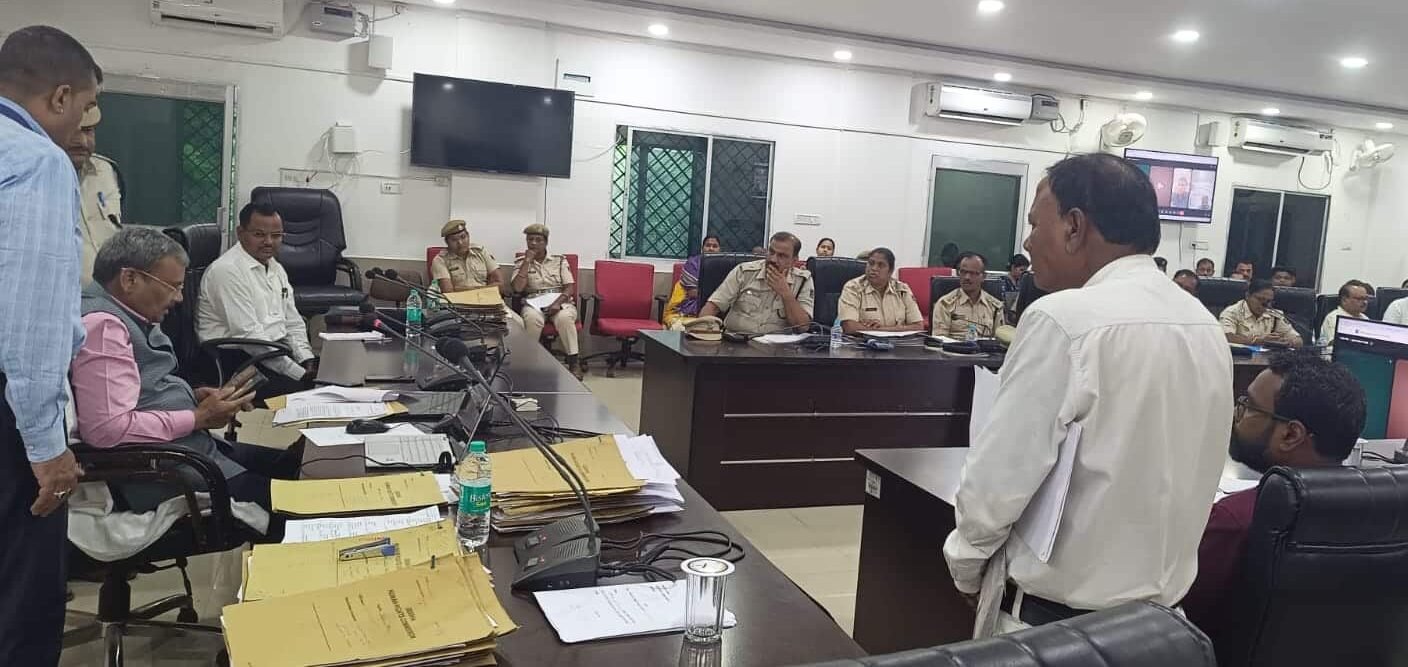
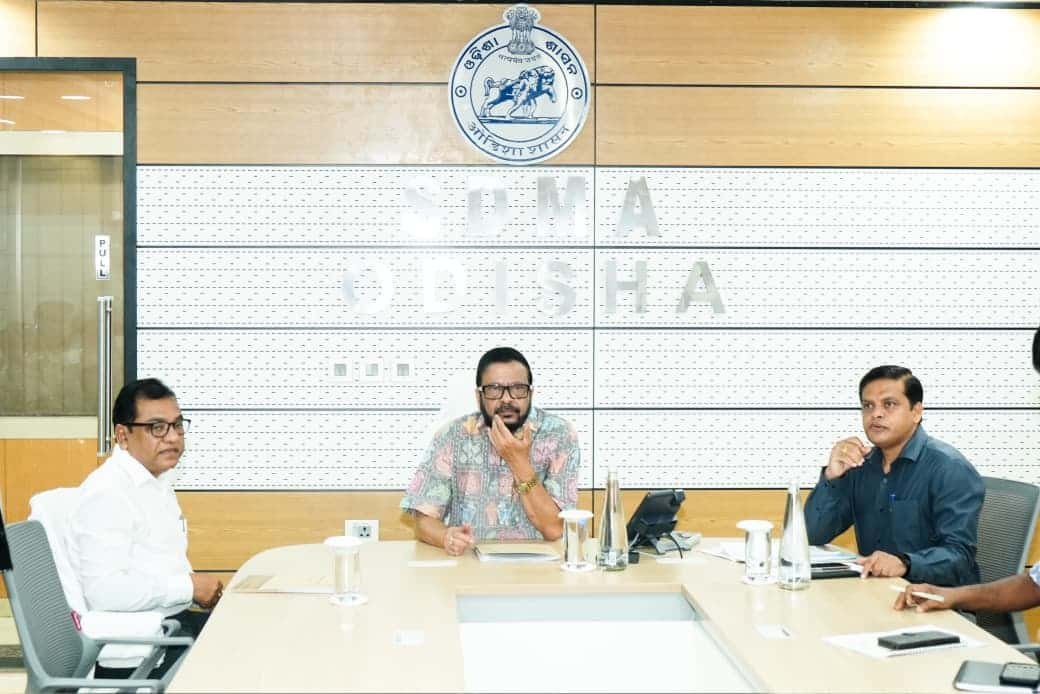



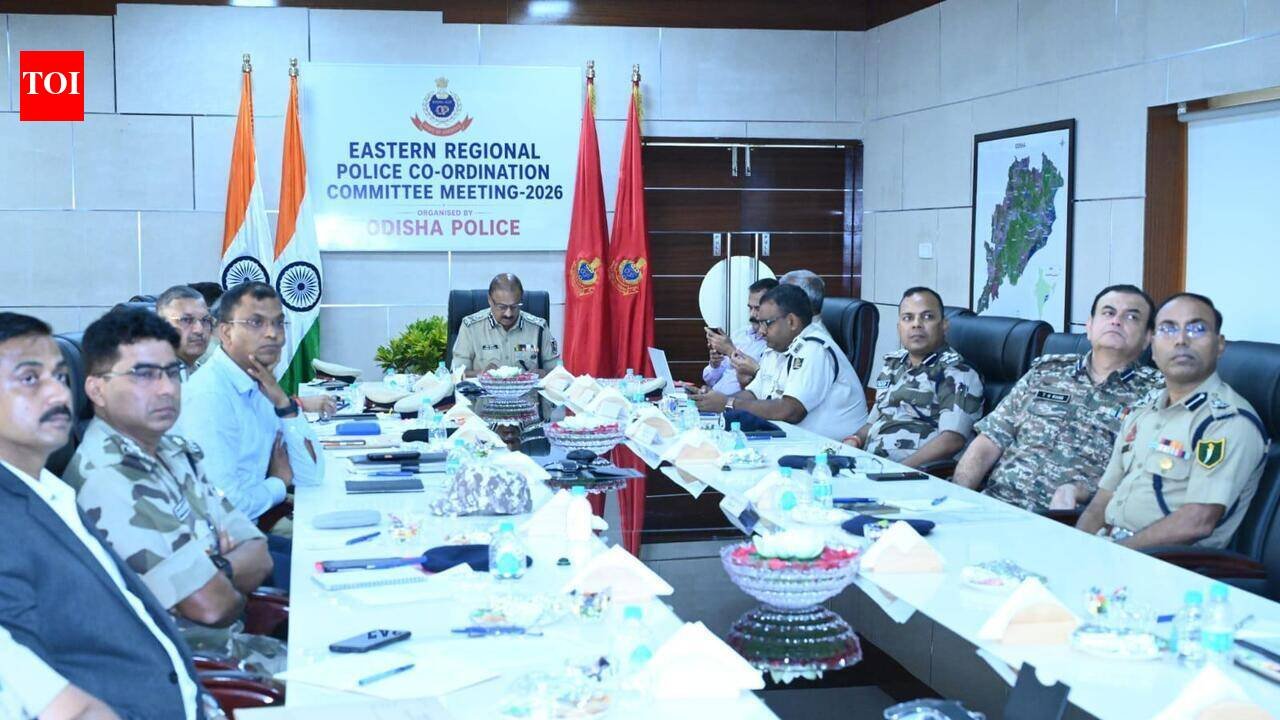
Bhubaneswar: On Tuesday, police officials from Odisha emphasized the necessity for improved coordination with neighboring states to effectively confront inter-state organized crime and thwart any potential resurgence of left-wing extremism (LWE). During a virtual gathering of the eastern regional police coordination committee, organized by the Odisha police, Directors General of Police (DGPs) from Odisha, West Bengal, Bihar, Jharkhand, and Chhattisgarh, along with representatives from central paramilitary forces, discussed pressing issues related to cross-border drug trafficking and various forms of organized crime.
The discussions underlined the importance of joint strategies, the establishment of intelligence-sharing frameworks, and the adoption of technology-driven policing methods. DGP Y B Khurania remarked, “Our objective is to strengthen inter-state coordination to effectively combat organized crime, drug trafficking, left-wing extremism, and other emerging security challenges.” He noted that collaborative initiatives are essential for fostering operational synergy, mutual trust, and reinforcing the nation’s internal security framework.
Khurania warned that although LWE has seen significant reductions, ongoing vigilance and collaboration are crucial to prevent the regrouping of Maoist factions. He stated, “Contemporary security threats such as organized crime, cybercrime, narcotics trafficking, and human trafficking transcend geographical boundaries and therefore demand a coordinated, technology-driven, and intelligence-led response.” He stressed that no single state can tackle these challenges alone, highlighting the necessity of ongoing intelligence sharing, seamless information exchange, the use of advanced technology, and close interstate collaboration to combat increasingly sophisticated criminal and extremist networks.
According to police sources, the full-day meeting addressed a variety of strategic topics. In-depth discussions were held regarding the monitoring and rehabilitation of surrendered Maoists, the development of coordinated strategies to combat interstate narcotics trafficking, enhancing cooperation against cybercrime via real-time intelligence sharing, expediting the processing of zero FIRs, improving railway security, and creating a unified approach to tackle illegal infiltration.
The participating states also focused on strengthening coordinated operations against interstate criminal syndicates, enhancing policing in border regions, and advancing technology-enabled, intelligence-based policing strategies. Khurania concluded that the decisions and recommendations arising from these discussions would significantly boost interstate cooperation, improve law enforcement capabilities, reinforce national security, and provide a strong framework for addressing complex security challenges throughout eastern India.