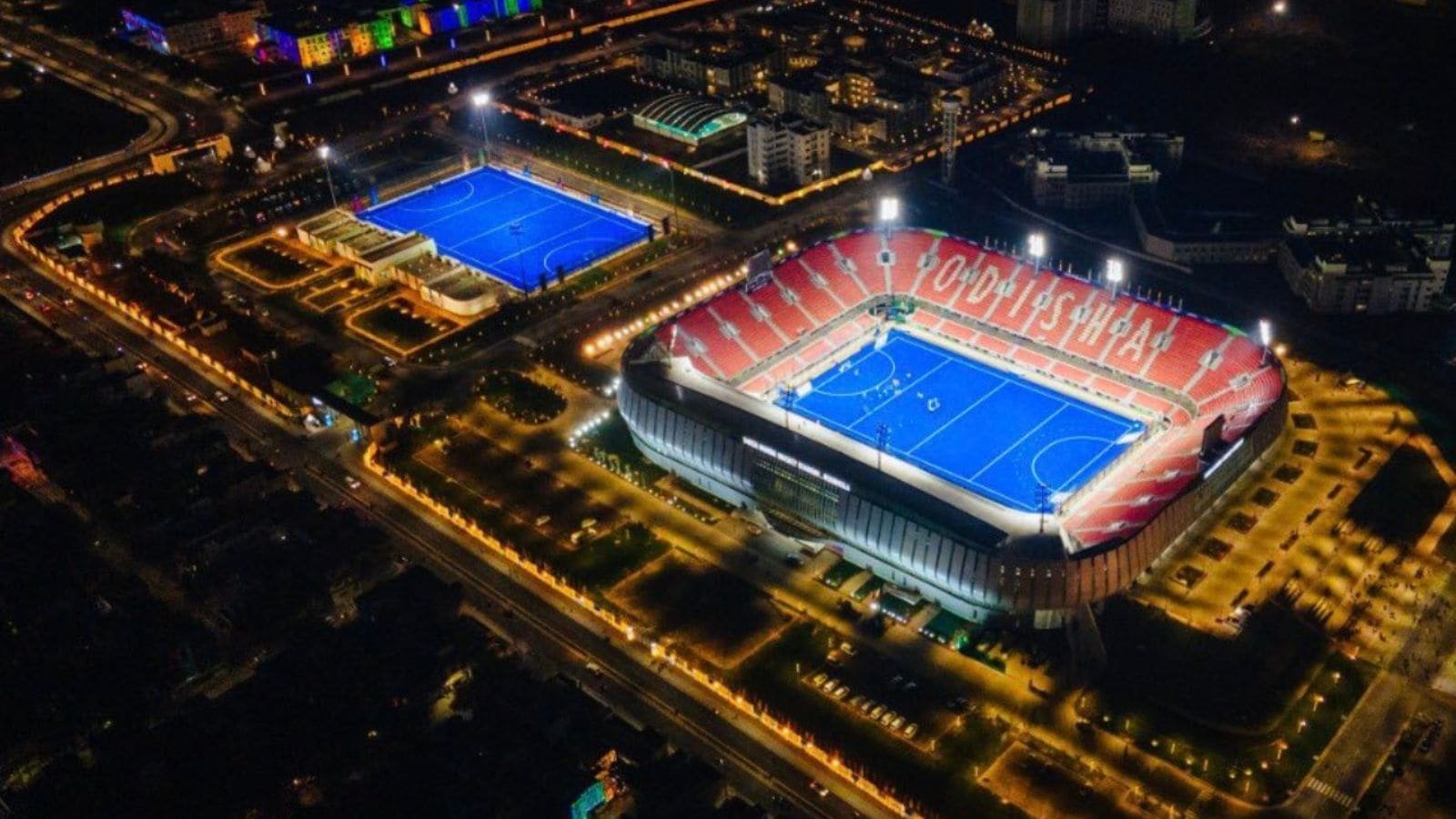



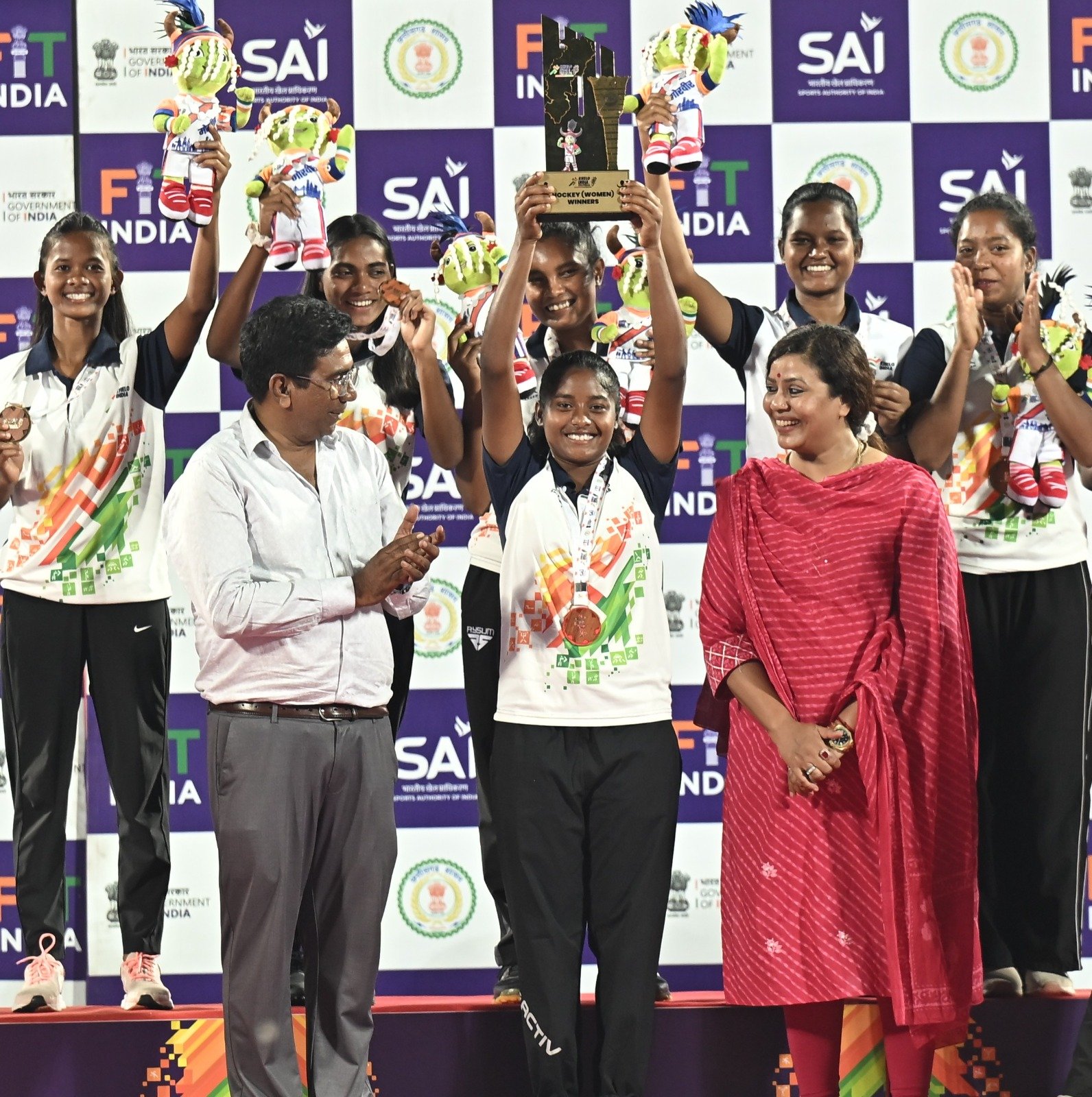
Odisha wrapped up its remarkable campaign by clinching both the men’s and women’s hockey gold medals at the Khelo India Tribal Games 2026 in Raipur, hosted at the Vallabhbhai Patel International Hockey Stadium. In the men’s final, Odisha defeated Jharkhand with a score of 4-1, while the women’s final was closely contested, with Odisha narrowly edging out Mizoram 1-0. Jharkhand’s men’s team took home the silver medal, while Chhattisgarh secured the bronze; in the women’s category, Jharkhand also earned a well-deserved bronze to complete the podium.
The double gold achievement in men’s and women’s hockey at the Khelo India Tribal Games 2026 in Raipur signifies more than just a sporting success; it highlights the transformative power of the game in the tribal regions of Odisha, Jharkhand, and Chhattisgarh. The northeastern states, known for their sporting prowess, also made their mark, with Mizoram advancing to the knockout stages at KITG 2026. Odisha’s men’s team delivered a commanding 4-1 victory against Jharkhand in the final, while the women’s team narrowly overcame Mizoram 1-0 in a gripping championship match. Jharkhand and Chhattisgarh’s presence on the podium underscores the rising talent from these regions.
However, the narrative extends beyond mere medals, reaching into villages, forests, and communities where hockey has emerged as a symbol of identity and a pathway to opportunity. Hockey has been ingrained in tribal culture for decades, with children crafting sticks from tree branches and playing barefoot on uneven terrain. While talent has always existed, the route to success was often unclear. That is now beginning to change.
With Centres of Excellence overseen by the Union sports ministry and state governments, along with improved infrastructure and organized grassroots initiatives, a robust ecosystem is gradually taking shape. Former Olympian Ajit Lakra, who was part of the Indian hockey team at the 1992 Barcelona Olympics and is now the head coach at the Bilaspur Centre of Excellence, witnesses this transformation firsthand. He remarked, “The entire system, right from grassroots to junior and then senior levels, is gradually becoming stronger. Athletes from tribal regions, in particular, are benefiting greatly. Their natural talent is now being refined with proper guidance and training.” Lakra believes this structured support is generating a ripple effect. “When children come here, learn and perform well, they inspire others. This is creating a chain, with new players continuously emerging,” he stated.
Regions previously affected by socio-economic challenges and Naxalism are now witnessing subtle changes through sports. Hockey is evolving into a unifying force, integrating communities into the national narrative. The sports ministry’s ASMITA programme is increasingly engaging women players, helping them integrate into the mainstream.
Odisha’s dual victory in Raipur symbolizes a larger movement where villages are becoming centers of excellence, and hockey is igniting the dreams of a new generation. From the dusty fields of Bastar to the vibrant stadiums of Raipur, the journey of these athletes is reshaping Indian hockey and influencing the social landscape of tribal India.