






Bhubaneswar: Tattoos on forearms, navel piercings, and vibrant hair colors often lead to assumptions of rebellion or a desire to stand out. However, for Generation Z, these aesthetic choices reveal much deeper aspects of their identity.
Many young individuals convey powerful stories and personal motivations behind their body modifications, viewing them as avenues for self-expression, therapeutic outlets, manifestations of their personalities, or distinctive style statements. While they are acutely aware of societal perceptions, they embrace their choices with a sense of quiet confidence.
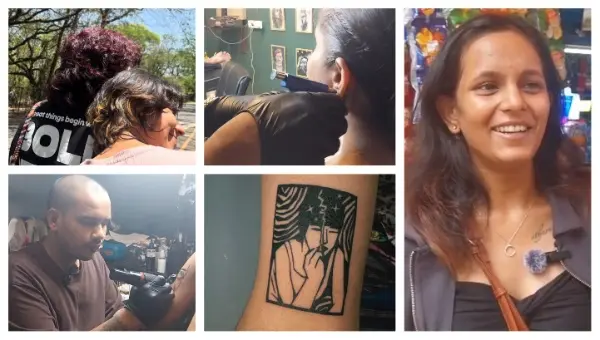
Aditya, a tattoo artist and piercing specialist at House of Tattoos, remarks that Generation Z is a groundbreaking cohort with clear intentions regarding their choices. “Tattoos and piercings serve as a form of therapy that etches stories onto the skin,” he states, emphasizing the importance of hygiene and communication between professionals and clients to ensure safety.
Arko, another tattoo artist at Ink Stories, advocates for ignoring societal judgments. “Many individuals opt for portrait tattoos to honor their parents, siblings, or loved ones,” he explains, offering the advice to disregard public opinion and prioritize personal happiness in their choices.
Vaseem, a hair specialist from Urbana Salon, advises against using box dyes and suggests seeking professional coloring services, as home dyes can often contain harmful chemicals and metals. “It’s not necessary to constantly experiment with new hairstyles, but post-treatment hair care is crucial,” he notes.
He also warns against chemical treatments in cases of underlying health concerns, pregnancy, or hormonal changes.
As social media and global cultural trends continue to reshape youth identity, an increasing number of young people are adopting tattoos, piercings, and bold hairstyles. But are these trends fleeting?
Interestingly, body art has historical roots. In Odisha, known for its rich agricultural and tribal traditions, indigenous communities in Koraput, Kandhamal, and Ganjam have engaged in tattooing, body piercing, and unique hair styling for generations. For example, tribal women have traditionally used red and yellow clay in their hair, not just as a cultural expression, but also for protection from the heat.
What sets Gen Z apart is not the act of body modification itself, but the liberated approach they take towards it. Growing up in a digitally connected world with global influences, this generation feels emboldened to explore their appearance and identity. Despite persistent stereotypes, they argue that external aesthetics should not define one’s character, serving as a gentle reminder to appreciate individual self-expression.
Each tattoo, piercing, and hair color choice carries a story, a deliberate decision, and a fragment of one’s identity. As these forms of self-expression gain broader acceptance, it is crucial for society to transition from judgment to understanding.