






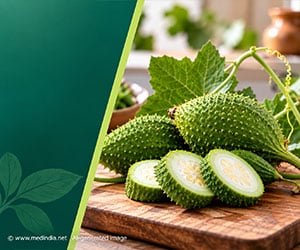
Kantola, commonly referred to as spine gourd, kakrol, or Momordica dioica, is a seasonal vegetable known for its rich nutritional profile, including protein, dietary fiber, vitamins, and minerals.
While animal and laboratory research indicates that Kantola may have positive effects on blood sugar levels, cholesterol management, brain health, and oxidative stress, there is a lack of substantial human studies to support these claims.
This vegetable, often seen in Indian kitchens during the monsoon season, has been used in traditional medicine for years but remains unfamiliar to many outside its growing regions.
Its significance lies not only in its culinary uses but also in the increasing body of scientific evidence that aligns with the traditional beliefs upheld by Ayurvedic practices.
So, what is Kantola, and why is it still regarded as underrated?
Kantola, part of the Cucurbitaceae family alongside bitter gourd and cucumber, is a perennial climbing vine that produces separate male and female flowers. The challenges associated with its cultivation, such as low seed viability and limited propagation methods, have hindered its commercial success despite its nutritional advantages.
Known by various names across India, including kakora in Hindi and kartoli in Marathi, Kantola is widely consumed in regional cuisines but remains classified as an “orphan” crop due to its limited market presence.
Its availability is mostly confined to the monsoon season, which restricts its year-round presence in markets, leading to its underutilization.
What Nutrients Does Kantola Offer?
Kantola boasts impressive levels of protein and dietary fiber, with dry weight values ranging from 18% to 19.4% for protein and 21.3% to 22% for fiber. In terms of macronutrients, it contains approximately 45% to 47.9% carbohydrates and around 3.1% fat.
The vegetable also offers a variety of minerals, including calcium, iron, and potassium, alongside essential vitamins like vitamin C and several B-complex vitamins.
Additionally, Kantola is rich in naturally occurring plant compounds, such as alkaloids and saponins, which contribute to its health benefits.
Can Kantola Aid in Blood Sugar Management?
Initial research indicates that Kantola may help regulate blood sugar levels, primarily based on laboratory and animal studies. For instance, extracts from Kantola seeds have been shown to inhibit the enzyme alpha-amylase, potentially slowing carbohydrate digestion and reducing post-meal blood sugar spikes.
In diabetic rat models, Kantola extracts have led to notable reductions in blood glucose and insulin levels, alongside improved glucose tolerance and fat metabolism.
However, these promising outcomes have not yet been validated in human trials, and Kantola should not be seen as a substitute for prescribed diabetes treatments.
Could Kantola Support Heart Health?
Emerging evidence suggests that Kantola may also benefit heart health by positively influencing cholesterol levels and fat metabolism. Several studies have indicated that it can improve blood lipid profiles, though further investigation is needed to establish these effects in humans.
In conclusion, while Kantola is celebrated for its rich nutritional content and traditional significance, more research is necessary to fully understand its health benefits and potential applications in modern nutrition.