




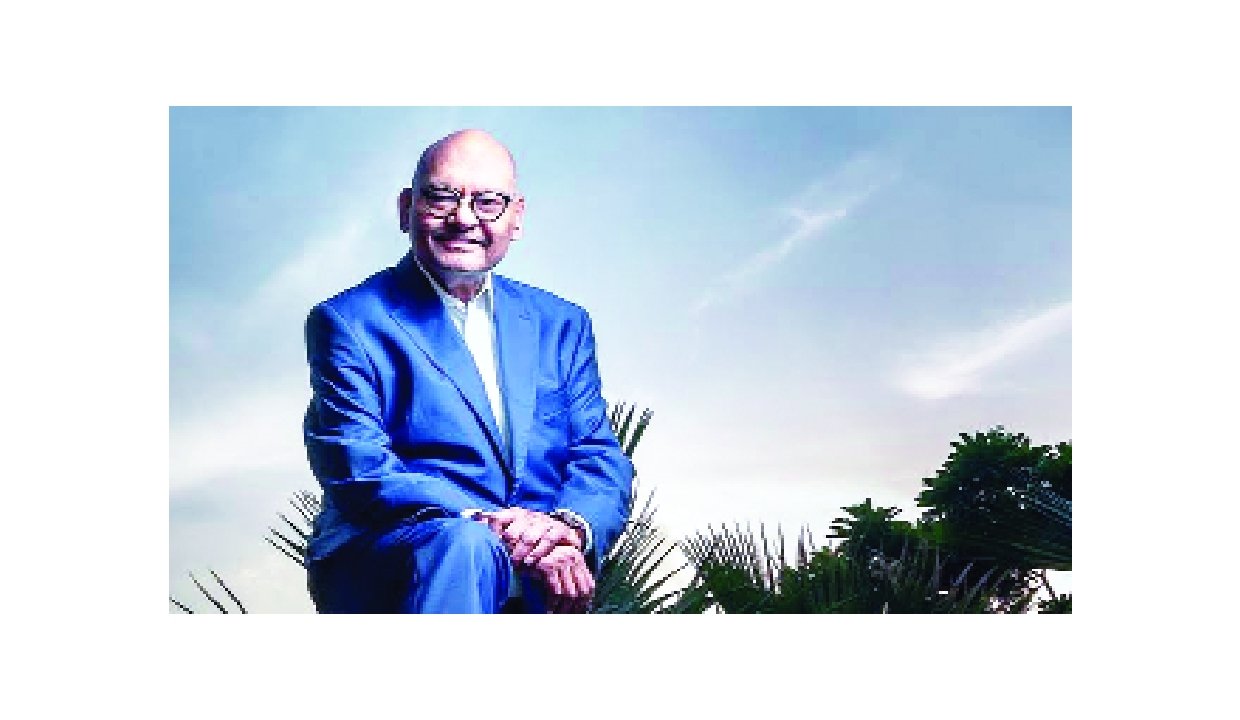
On Saturday, Anil Agarwal, the chairman of Vedanta Resources, highlighted the importance of utilizing India’s subterranean resources, suggesting that resistance to development projects is a common phenomenon. He called on the nation to achieve self-sufficiency similar to that of developed countries such as the United States and Australia.
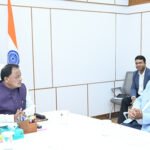
During a meeting with Chief Minister Mohan Charan Majhi, Agarwal noted that Vedanta Group has already invested ₹1 lakh crore in Odisha and plans to invest an equivalent amount for projects including a new refinery in Rayagada and a smelter in Dhenkanal district.
Agarwal also proposed the establishment of a 1,000-bed hospital in the western part of the state. Currently, Vedanta operates a refinery in Lanjigarh, Kalahandi district, along with a smelter and power plant located in Jharsuguda district, both situated in the western region of Odisha.
When questioned about local opposition to bauxite mining at Sijimali in Rayagada district, Agarwal responded, “Resistance is natural. People will oppose, and we have to take it all along to build a developed Odisha and India. Two decades ago, some foreign elements were instigating our innocent people to oppose projects. Now, things are settled. There is no resistance at all.”
He advocated for expansive mineral exploration, asserting that while India has successfully achieved food self-sufficiency by leveraging above-ground resources, it is now time to tap into the wealth beneath the earth. “We should explore the resources under the earth and remove the tag of becoming a ‘country of import’. We have our own resources and need to explore them,” Agarwal insisted, pointing to the development successes of nations like the US and Australia.
According to Chief Minister Majhi, Vedanta’s proposed aluminium initiatives, valued at ₹1 lakh crore, are expected to create more than 2 lakh direct and indirect jobs. He emphasized that efforts to implement these projects would be intensified, aiming to establish Odisha as a premier hub for aluminium production.
The discussions between Agarwal and Majhi focused on enhancing collaboration between the government and Vedanta to accelerate various industrial projects in Odisha, thus promoting local development and job creation. Proposed projects include a cutting-edge aluminium smelter with a capacity of 3 million tonnes annually in Dhenkanal and an alumina refinery with an output of 6 million tonnes per year in Rayagada. Majhi stated that these initiatives would position Odisha and India as global leaders in aluminium manufacturing.
Once operational, Vedanta’s total aluminium production capacity is projected to rise to 6 million tonnes per annum, catering to the increasing demand for aluminium in India.
Agarwal also suggested expanding a 1 million tonnes per annum aluminium smelter in Jharsuguda. The chief minister acknowledged the significant potential of these projects for generating employment and fostering local growth, assuring that the state government would provide full support for investments in the aluminium sector.
Agarwal concluded, “The objective of our proposed investments is to establish a world-class industrial ecosystem that will power India’s infrastructure, energy transition, advanced manufacturing, and emerging technologies. In partnership with the state government, we are committed to building globally competitive assets, generating large-scale employment, strengthening local enterprises, and making a meaningful contribution towards building a developed India.”